Private Investigators
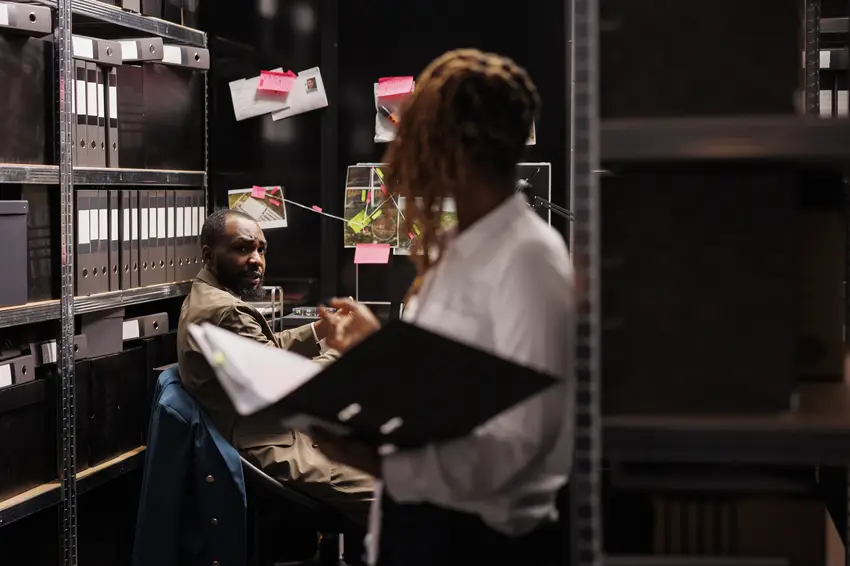
You conduct investigations for individuals or businesses—looking into fraud, infidelity, or backgrounds—using interviews, surveillance, databases, and digital tools while respecting privacy laws. You'll manage your own schedule, handle sensitive information, and report findings clearly. A high school diploma is required; many start as security officers; licensing and background checks are mandatory. It suits independent, analytical people comfortable with uncertainty.
Did you know?
In Australia, private investigators must obtain a licence to practice, which typically requires completing approved training courses and meeting specific criteria. Each state has different licensing requirements, so it's important to research the regulations in your area.
At a glance
Typical average pay
$80,000 Avg/yr
Growth
Stable
Top skill
Active Listening
Things to consider
Educational and Training Pathways
Consider pursuing qualifications in security, investigation, or law enforcement through TAFE or private training providers. Many investigators also have backgrounds in police work, military service, or related fields that provide valuable experience.
Essential Skills Development
Develop strong observation skills, critical thinking abilities, and proficiency with technology. Good communication skills are crucial for interviewing people and writing detailed reports for clients and legal proceedings.
Key responsibilities
Investigates shoplifting, theft, dishonesty or other undesirable conduct
Makes inquiries concerning property and seeks, obtains or supplies information pertaining to the personal character, financial position, occupation or whereabouts of any person