Rotary Drill Operators
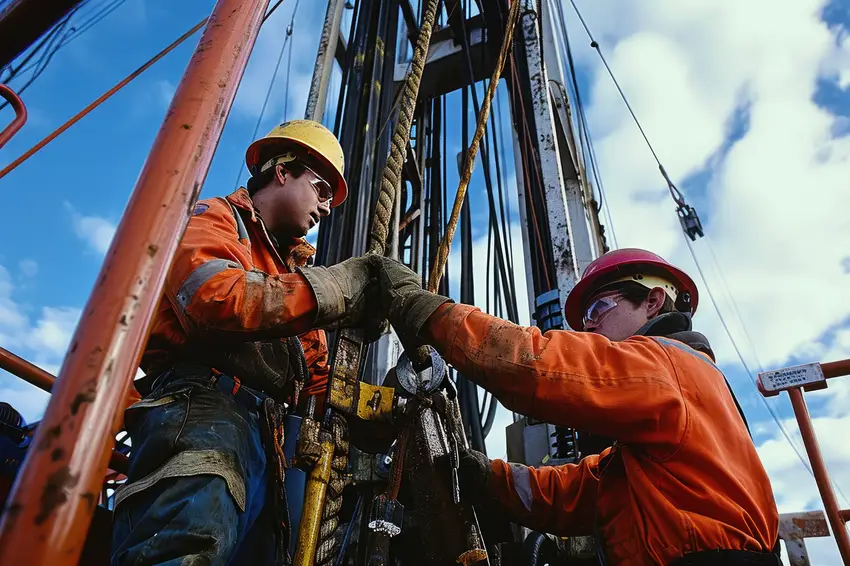
Rotary Drill Operators run drilling rigs to bore holes for oil, gas, and water wells. They use computerized controls, digital depth sensors, pressure monitoring systems, and safety equipment to execute drilling operations. Success requires technical skills, attention to detail, understanding of safety protocols, and physical stamina.
Did you know?
In Australia, you'll need to complete specialised training programs and obtain relevant certifications for drilling operations. Many employers provide on-the-job training, but having a Certificate III in Drilling Operations or similar qualification can improve your job prospects.
At a glance
Typical average pay
$115,000 Avg/yr
Growth
Stable
Top skill
Critical Thinking
Things to consider
Physical Demands and Safety Focus
This role involves working in physically demanding conditions, often in remote locations with rotating shifts. Safety is paramount, requiring strict adherence to protocols and the use of protective equipment to prevent accidents.
Industry Opportunities in Australia
Australia's strong mining and energy sector offers excellent opportunities for drill operators, particularly in Western Australia, Queensland, and the Northern Territory. The industry offers competitive wages and potential for career advancement.
Key responsibilities
Dismantles moves and reassembles drilling rigs and accessory plant
Takes samples of ore, liquids and gases and packages them
Performs minor maintenance and repairs, and lubricates and cleans plant
Records performance details and information obtained from wells, and keeps logs detailing operations