Sailors
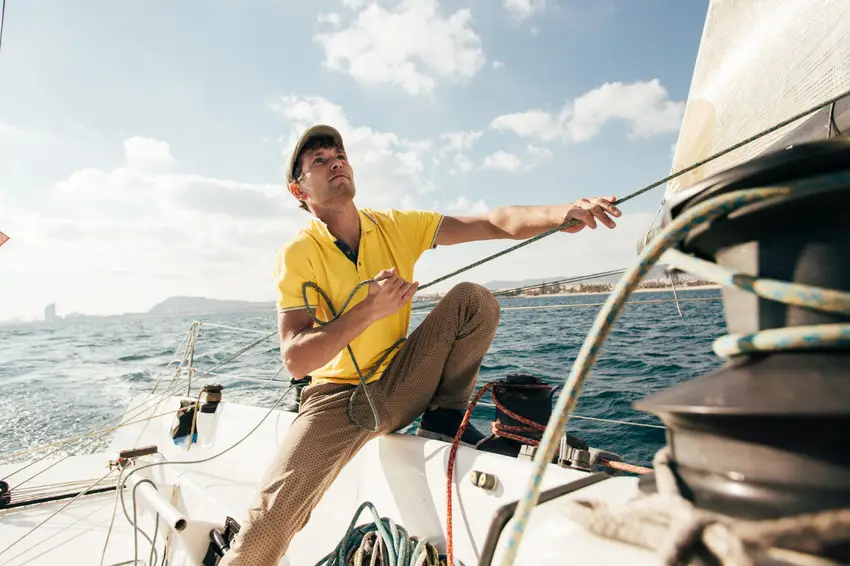
You'd work aboard ships operating equipment, maintaining the vessel, standing watch, and helping navigate the seas. You'd perform deck maintenance, work with ropes and rigging, use communication systems, and follow safety protocols.
Did you know?
In Australia, you'll need to complete maritime training courses and obtain certifications from the Australian Maritime Safety Authority (AMSA). Consider enrolling in maritime colleges or TAFE courses that offer Certificate III in Maritime Operations or similar qualifications.
At a glance
Typical average pay
$72,000 Avg/yr
Growth
Stable
Top skill
Operations Monitoring
Things to consider
Physical and Technical Skills Development
This career requires good physical fitness, technical aptitude, and the ability to work in challenging conditions. Develop skills in mechanical systems, safety procedures, and teamwork as these are essential for maritime operations.
Career Progression Opportunities
Starting as an ordinary seaman, you can advance to able seaman, then to officer positions with additional training and experience. The maritime industry offers diverse career paths including cargo ships, passenger vessels, offshore platforms, and naval services.
Key responsibilities
Handles ropes and wires, and operates mooring equipment when berthing and unberthing
Stands lookout watches at sea and adjusts the ship's course as directed
Assists with cargo operations using on-board equipment and stows and secures cargo
Patrols ships to ensure safety of the vessel, cargo and passengers
Performs routine maintenance and checks on deck equipment, cargo gear, rigging, and lifesaving and fire fighting appliances