Sheet Metal Workers
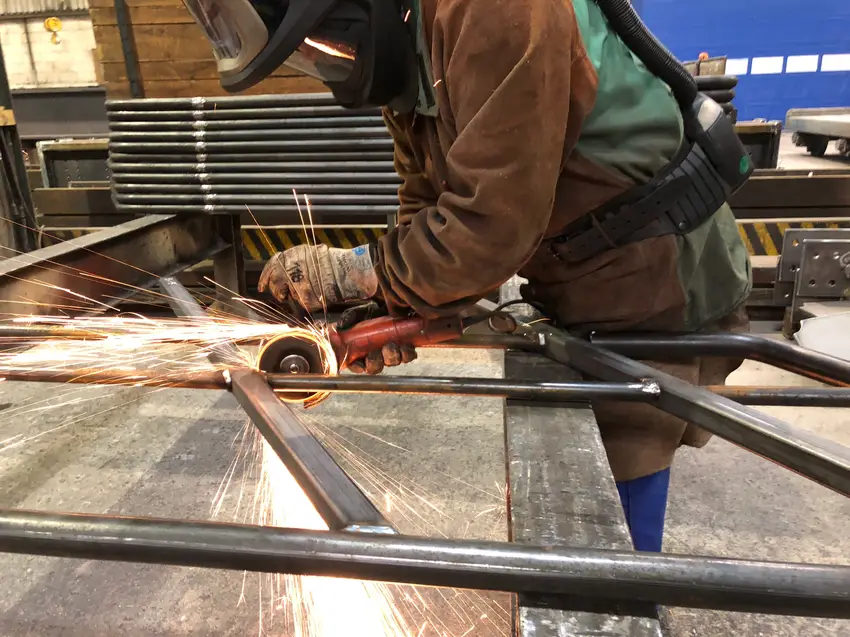
Sheet Metal Workers fabricate, assemble, install, and repair various metal products like ducts, control boxes, and furnace casings. They use modern cutting machines, welding equipment, and computer-controlled tools to shape and join metal pieces with precision. This hands-on trade requires strong technical skills and attention to detail, with opportunities to work in construction, manufacturing, or HVAC industries. Many workers enter through apprenticeships and can advance to supervisory roles or start their own businesses.
Did you know?
Sheet metal work typically requires completing a 4-year apprenticeship program, combining on-the-job training with formal study. Many TAFE institutes across Australia offer Certificate III in Sheet Metal and Fabrication, providing both theoretical knowledge and practical skills.
At a glance
Typical average pay
$85,000 Avg/yr
Growth
Stable
Top skill
Monitoring
Things to consider
Physical and Technical Skills Development
This trade requires good hand-eye coordination, physical fitness, and the ability to read technical drawings. Students should focus on developing mathematical skills for measurements and calculations, as well as familiarity with tools and machinery.
Industry Opportunities and Growth
Sheet metal workers are in demand across construction, manufacturing, and HVAC industries. With experience, workers can specialise in areas like architectural metalwork, become supervisors, or establish their own fabrication businesses.
Key responsibilities
Studying blueprints, drawings and specifications to determine job, material and equipment requirements
Selecting metal stock, such as stainless steel, galvanised iron, mild steel, aluminium and copper, and checking sizes, gauges and other dimensions of metal stock against specifications
Marking out metal stock with reference points and lines, using templates, gauges and other measuring instruments
Cutting metal stock along guidelines using hand and power shears, guillotines and drills
Shaping and forming cut metal stock into products using folding and bending machines, rollers, presses and hammers