Plant Scientists
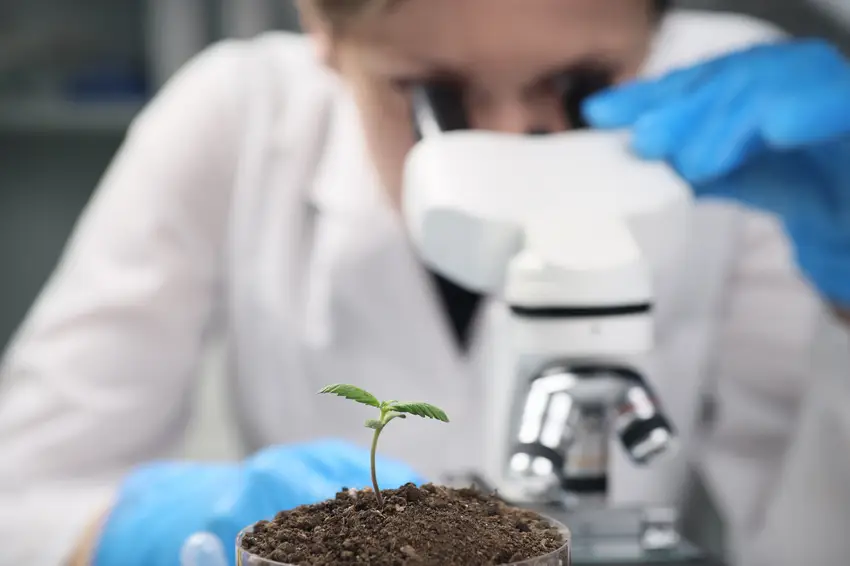
You study plants and soil to improve crop yields, develop sustainable agriculture, and address food security through research and field trials. You'll work in laboratories and fields using DNA analysis, soil testing equipment, and data analysis software. A degree in plant science, agronomy, or botany is typical; many employers value internships in agricultural settings. This career suits problem-solvers interested in food production and environmental sustainability.
Did you know?
A Bachelor's degree in Agricultural Science, Plant Science, Soil Science, or Environmental Science is typically required. Many positions prefer postgraduate qualifications, and universities like University of Queensland and University of Adelaide offer specialised programs in this field.
At a glance
Typical average pay
$85,000 Avg/yr
Growth
Stable
Top skill
Science
Things to consider
Career Opportunities and Work Environment
Career opportunities exist in government research organisations like CSIRO, agricultural companies, environmental consulting firms, and universities. Work involves both laboratory research and fieldwork, with opportunities to travel to different agricultural regions across Australia.
Skills Development and Industry Trends
Develop strong analytical skills, attention to detail, and proficiency with scientific equipment and data analysis software. The field is increasingly focused on sustainable agriculture and climate change adaptation, making environmental awareness crucial.
Key responsibilities
Collecting and analysing data and samples of produce, feed, soil and other factors affecting production
Advising Farmers and Farm Managers on techniques for improving the production of crops and livestock, and alternative agricultural options
Advising farmers on issues such as livestock and crop disease, control of pests and weeds, soil improvement, animal husbandry and feeding programs
Studying the environmental factors affecting commercial crop production, pasture growth, animal breeding, and the growth and health of forest trees
Studying the effects of cultivation techniques, soils, insects and plant diseases on animal, crop and forest production