Boiler and Engine Operators
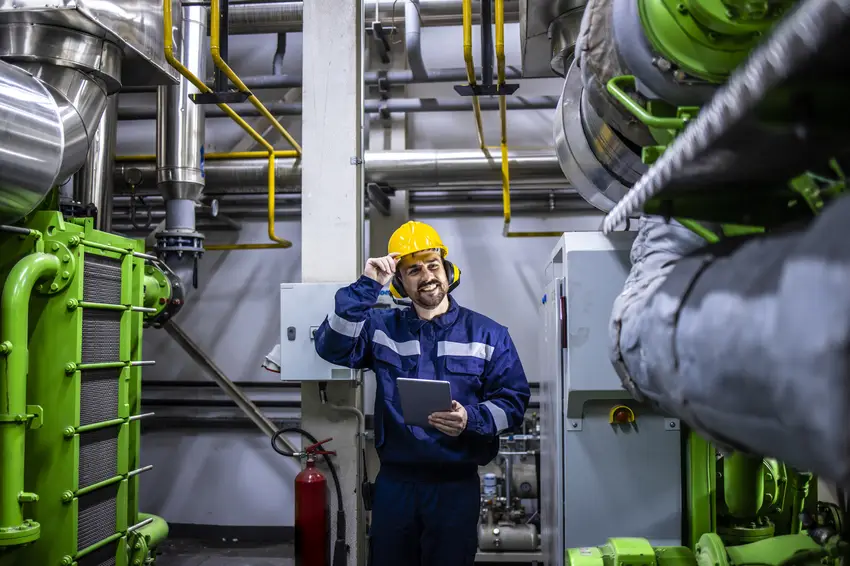
Boiler and Engine Operators are responsible for operating and maintaining stationary engines, boilers, and other mechanical equipment to supply utilities for buildings or industrial processes. They work with equipment like steam engines, generators, motors, turbines, and steam boilers, ensuring everything runs smoothly and efficiently. This role is crucial in places like factories, hospitals, and large commercial buildings.
Did you know?
In Australia, you'll need to obtain specific licences and certifications to operate boilers and pressure vessels. Start by completing a Certificate III in Engineering - Mechanical Trade or similar qualification, followed by specialised boiler operation training.
At a glance
Typical average pay
$80,000 Avg/yr
Growth
Stable
Top skill
Operations Monitoring
Things to consider
Safety and Technical Skills Development
This career requires strong attention to safety protocols and technical problem-solving skills. Focus on developing mechanical aptitude and understanding of industrial safety standards during your studies.
Industry Opportunities and Growth
Employment opportunities exist in power generation, manufacturing, hospitals, and large commercial facilities. With experience, you can advance to supervisory roles or specialise in specific types of equipment maintenance.
Key responsibilities
Starts engine, observes performance and makes necessary adjustments
Controls related equipment such as fans and dampers in ventilation and heating systems or regulators on compressors
Maintains supply of fuel
Cleans and lubricates engines