Structural Steelworkers
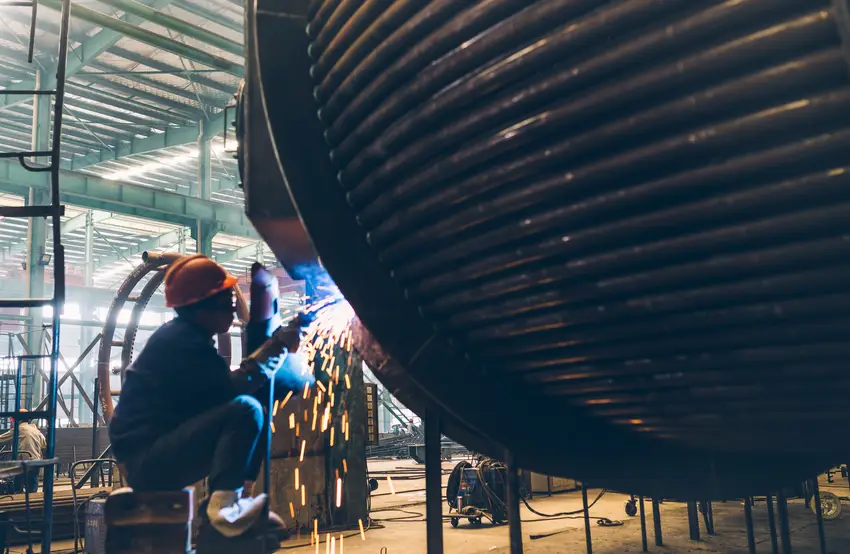
You erect huge steel frameworks for buildings, bridges, and other structures by positioning, aligning, and bolting steel beams together at great heights using cranes and hand tools. You follow detailed plans, ensure everything is level and secure, and work safely on high-rise projects. You use tools like transit levels, angle finders, and welding equipment. This is demanding but well-paid skilled work that requires courage and precision.
Did you know?
Most Structural Iron and Steel Workers complete a 3-4 year apprenticeship program that combines on-the-job training with classroom learning. Look for apprenticeships with construction companies or contact industry training organisations for opportunities.
At a glance
Typical average pay
$90,000 Avg/yr
Growth
Fast growing
Top skill
Operations Monitoring
Things to consider
Physical Demands and Safety Requirements
This career involves working at heights, lifting heavy materials, and working in various weather conditions. Strong physical fitness and strict adherence to safety protocols are essential for success in this field.
Career Growth and Specialisation Options
Experienced workers can advance to supervisory roles, specialise in areas like bridge construction or high-rise buildings, or start their own contracting businesses with additional qualifications and experience.
Key responsibilities
Erects lifting tackles by attaching pulleys and blocks to fixed overhead structures, and installs cables and attaches counterweights
Attaches slinging gear to hoist equipment and objects to be moved using clamps, hooks, bolts and knots
Fits and bolts tubes, support braces and components to form bases and build up scaffolding
Lifts and positions sections of scaffolding
Measures, cuts, bends and fits welded wire mesh into concrete areas to be mesh-reinforced