Textile Machine Operators
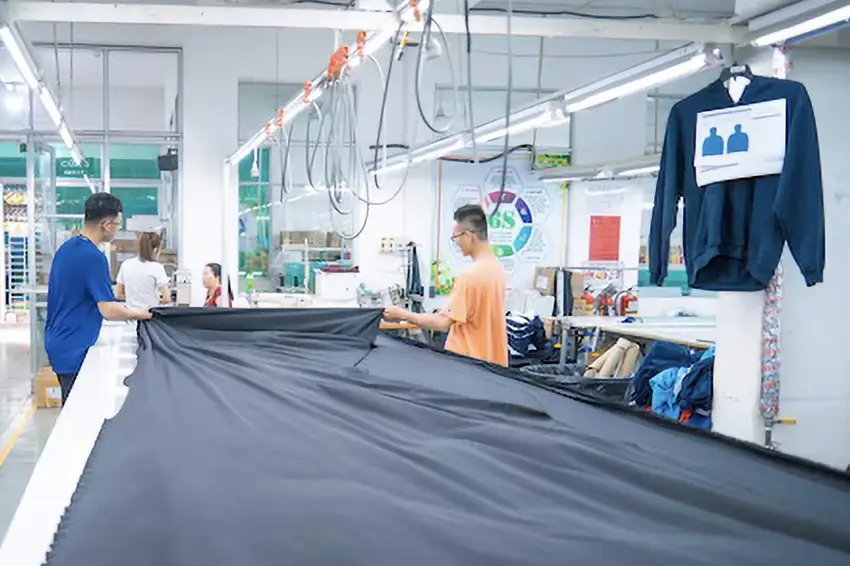
Textile Machine Operators work with specialised machinery to create fabrics through knitting, weaving, and other textile processes. They set up, operate, and maintain advanced computerised machines that transform raw materials into finished textiles for clothing, home furnishings, and industrial applications. Modern textile operations use automated systems and digital controls, requiring technical skills and attention to detail. This role offers opportunities to work in manufacturing environments where precision and quality control are essential.
Did you know?
Consider pursuing a Certificate III in Textile Production or similar TAFE qualifications that provide hands-on experience with modern textile machinery and manufacturing processes.
At a glance
Typical average pay
$55,000 Avg/yr
Growth
Stable
Top skill
Operations Monitoring
Things to consider
Industry Growth and Specialisation
The textile industry in Australia focuses on high-quality, specialised products and sustainable manufacturing. Opportunities exist in technical textiles, fashion production, and innovative fabric development.
Essential Skills Development
Develop strong attention to detail, mechanical aptitude, and problem-solving skills. Understanding of quality control processes and basic maintenance skills are highly valued in this field.
Key responsibilities
Prepares machines for operation by selecting and installing attachments and components for specialised functions
Sets and operates controls used to regulate processing operations
Starts machines and monitors operation to detect faults and ensure effectiveness of operation
Cuts and machines leather and synthetic shoe uppers, and makes shoes using moulded and cement construction techniques
Threads loom shuttles with cross-yarn arms