Textile Winding Operators
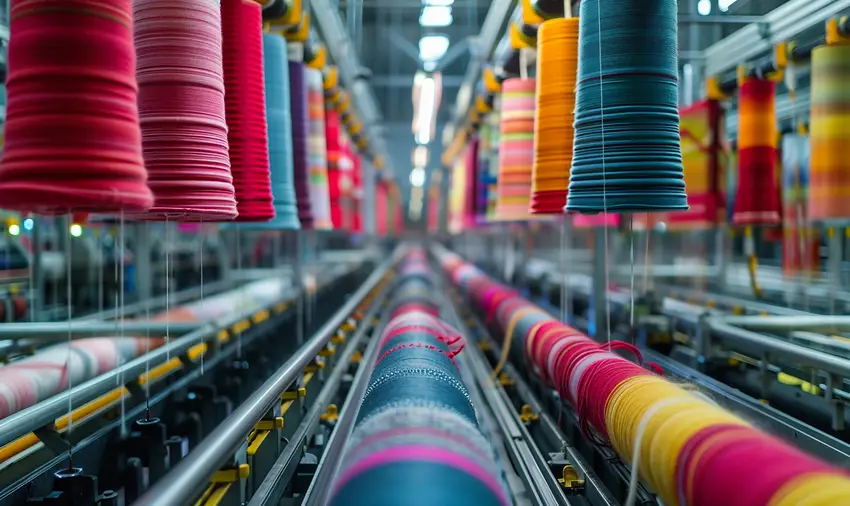
Textile winding operators set up and run machines that wind, twist, and draw out fibres and yarns for textile production. They monitor machine performance, adjust settings, and inspect output for defects. The role requires hand-eye coordination, attention to detail, and mechanical aptitude. It's a manufacturing career that plays a key role in the fabric and clothing supply chain.
Did you know?
Many textile companies in Australia offer on-the-job training and apprenticeships that combine practical experience with formal qualifications. This provides a direct pathway into the industry without requiring extensive prior education.
At a glance
Typical average pay
$55,000 Avg/yr
Growth
Stable
Top skill
Operations Monitoring
Things to consider
Industry Growth and Technology Integration
The textile industry is increasingly incorporating automated and computerised systems, creating opportunities for workers who can adapt to new technologies and potentially advance to technical specialist roles.
Physical and Safety Considerations
This role involves standing for extended periods and working with machinery, so physical fitness and strict adherence to safety protocols are essential. Proper training in workplace safety is provided by employers.
Key responsibilities
Prepares machines for operation by selecting and installing attachments and components for specialised functions
Sets and operates controls used to regulate processing operations
Starts machines and monitors operation to detect faults and ensure effectiveness of operation
Threads loom shuttles with cross-yarn arms
Positions and feeds machines with fibre packages