Sports Officials
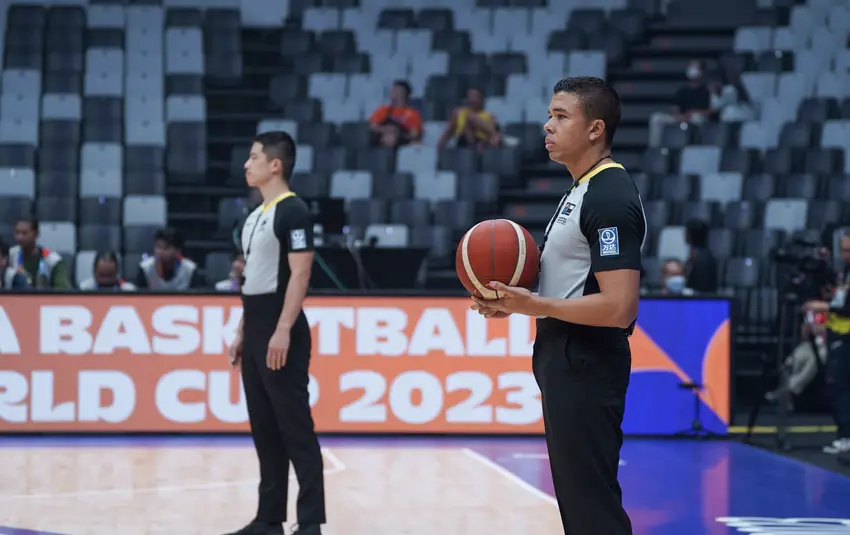
You referee or umpire sporting events—from youth leagues to professional games—enforcing rules and making split-second decisions while maintaining fairness and control. You'll use instant replay technology, communication equipment, and detailed rule knowledge to manage competitions. Certification and licensing vary by sport; physical fitness and decision-making skills are essential. This suits fair-minded people with strong sports knowledge and leadership presence.
Did you know?
In Australia, sports officials must complete accreditation courses specific to their chosen sport through national sporting organisations. Many sports require ongoing training and assessment to maintain certification levels.
At a glance
Typical average pay
$60,000 Avg/yr
Growth
Stable
Top skill
Speaking
Things to consider
Physical and Mental Demands
Officials need excellent physical fitness to keep up with fast-paced games and strong mental resilience to make quick, accurate decisions under pressure from players, coaches, and spectators.
Career Progression Opportunities
Starting at local community levels, officials can progress to state, national, and even international competitions. Some may advance to become assessors, trainers, or administrators within sporting organisations.
Key responsibilities
Officiates at sporting events to enforce rules
Co-ordinates and directs sporting activities, and liaises with other officials to interpret and enforce rules and regulations relating to sport