Water Resource Specialists
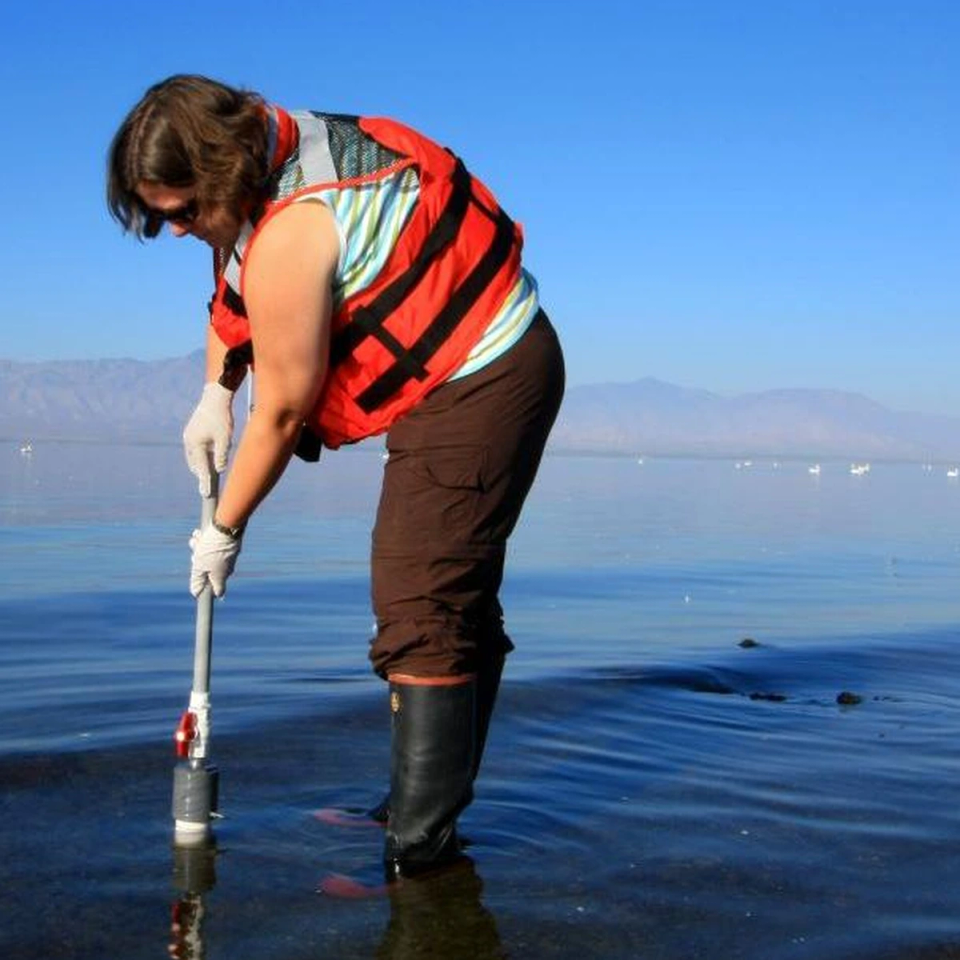
Water Resource Specialists work to protect and manage our water systems, ensuring communities have access to clean, safe water. They design programs to monitor water quality, manage water supply, and ensure compliance with environmental regulations using modern tools like GIS mapping and water testing equipment. This field combines environmental science with technology and offers opportunities to make a real difference in sustainability and public health. Specialists often collaborate with government agencies, engineering firms, and environmental organisations.
Did you know?
Consider pursuing a Bachelor's degree in Environmental Science, Civil Engineering, or Hydrology. Many universities offer specialised water management programs, and some positions may require postgraduate qualifications in water resource management.
At a glance
Typical average pay
$88,000 Avg/yr
Growth
Fast growing
Top skill
Speaking
Things to consider
Essential Skills and Knowledge
Develop strong analytical and problem-solving skills, along with knowledge of environmental science and mathematics. Understanding of water chemistry, hydrology, and environmental regulations is crucial for success in this field.
Career Opportunities and Work Environment
Water Resource Specialists work in government agencies, consulting firms, water utilities, and environmental organisations. The role often involves both office work and fieldwork, including site visits to water sources and treatment facilities.
Key responsibilities
Receives and assesses applications for licences to use water, investigates the ability of water resources to meet new requirements, and conducts site inspections