Welding Machine Operators
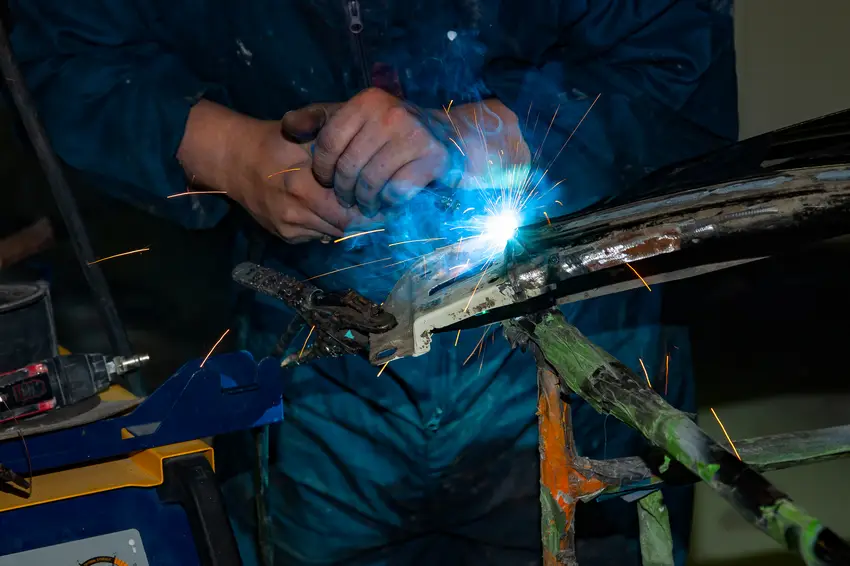
Welding Machine Operators set up and operate specialised welding, soldering, and brazing equipment to join metal components together. They work with advanced machinery including robotic welders and laser cutting systems to create everything from automotive parts to construction materials. This hands-on role requires technical skills, attention to detail, and knowledge of different metals and welding techniques. Many operators start through apprenticeships or TAFE courses and work in manufacturing plants, construction sites, or specialised fabrication workshops.
Did you know?
In Australia, most welding machine operators start with a Certificate III in Engineering - Fabrication Trade through an apprenticeship program. This combines on-the-job training with classroom learning at TAFE institutes, typically taking 3-4 years to complete.
At a glance
Typical average pay
$72,000 Avg/yr
Growth
Stable
Top skill
Operations Monitoring
Things to consider
Safety and Certification Requirements
Welding operators must obtain various safety certifications and welding qualifications specific to different materials and techniques. Regular training updates are required to maintain certifications and work with new technologies in the field.
Industry Demand and Career Growth
Strong demand exists in construction, mining, automotive, and manufacturing industries across Australia. Experienced operators can advance to supervisory roles, become welding inspectors, or start their own fabrication businesses.