Wildlife Biologists
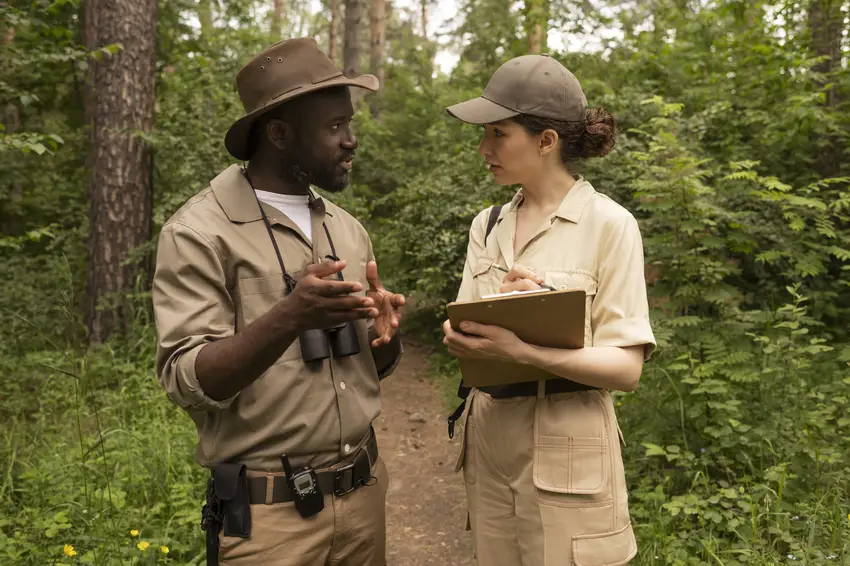
You study wild animals and their habitats in nature, collecting data to support conservation and research efforts. You'll use field equipment like binoculars, cameras, GPS devices, and software to track populations and behavior. A biology degree or related field is typically required; fieldwork and internships during high school and college help. This role suits people who are passionate about animal conservation and enjoy outdoor research.
Did you know?
A Bachelor's degree in Biology, Zoology, or Environmental Science is essential, with many positions requiring postgraduate qualifications. Australian universities offer specialised wildlife biology programs with field experience components.
At a glance
Typical average pay
$85,000 Avg/yr
Growth
Stable
Top skill
Speaking
Things to consider
Field Experience and Practical Skills
Gaining hands-on experience through volunteering at wildlife parks, zoos, or conservation organisations is highly valuable. Skills in animal handling, data collection, and outdoor survival are important for fieldwork.
Career Specialisation Opportunities
You can specialise in areas like marine biology, conservation biology, or wildlife management. Career paths include working for government agencies, research institutions, zoos, or environmental consulting firms.
Key responsibilities
Investigates the interrelationships between animals in their natural surroundings, in captivity and in laboratories
Studies the origin, development, functions, structures and other aspects of animal life