Acupuncturists
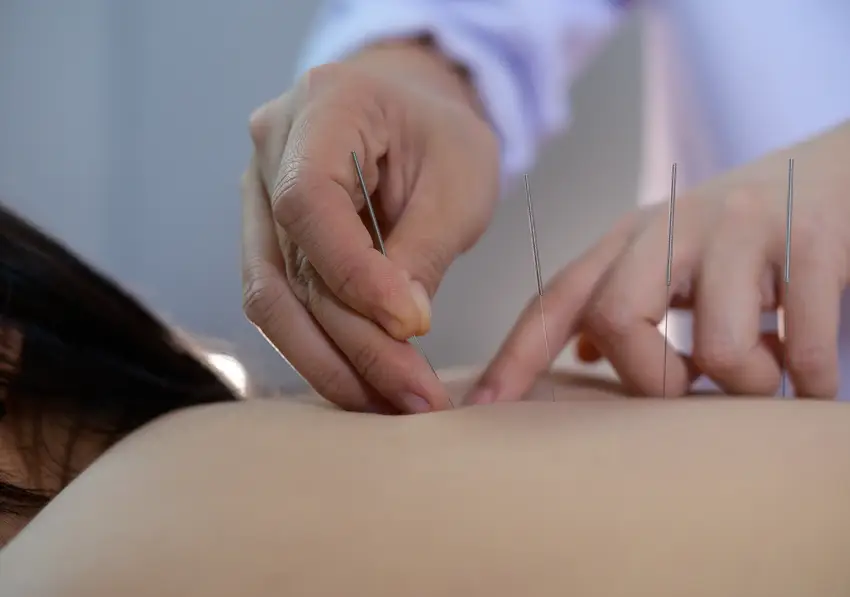
Acupuncturists help people heal and feel better by inserting thin needles into specific points on the body, along with using other tools like cups and therapeutic massage. They create personalized treatment plans for each patient, diagnose health issues using traditional Oriental medicine principles, and teach patients about nutrition, exercise, and relaxation techniques. Modern acupuncturists use digital health records and work in various settings from private clinics to integrative medical centers. This career requires specialized training in acupuncture schools and state licensing, combining ancient healing wisdom with modern healthcare practices.
Did you know?
Acupuncturists must meet varying licensing requirements across different states, including completing accredited programs and passing national certification exams.
At a glance
Typical average pay
$88,900 Avg/yr
Growth
Fast growing
Top skill
Active Listening
Things to consider
Insurance Reimbursement Challenges
Many insurance plans provide limited or no coverage for acupuncture services, requiring practitioners to often rely on out-of-pocket payments from patients.
Integration with Conventional Medicine
Success often depends on building relationships with medical doctors and healthcare facilities to establish referral networks and gain credibility in the mainstream healthcare system.
Key responsibilities
Treat medical conditions, using techniques such as acupressure, shiatsu, or tuina.
Treat patients using tools, such as needles, cups, ear balls, seeds, pellets, or nutritional supplements.
Consider Western medical procedures in health assessment, health care team communication, and care referrals.
Apply heat or cold therapy to patients using materials, such as heat pads, hydrocollator packs, warm compresses, cold compresses, heat lamps, or vapor coolants.
Evaluate treatment outcomes and recommend new or altered treatments as necessary to further promote, restore, or maintain health.