Acute Care Nurses
Overview
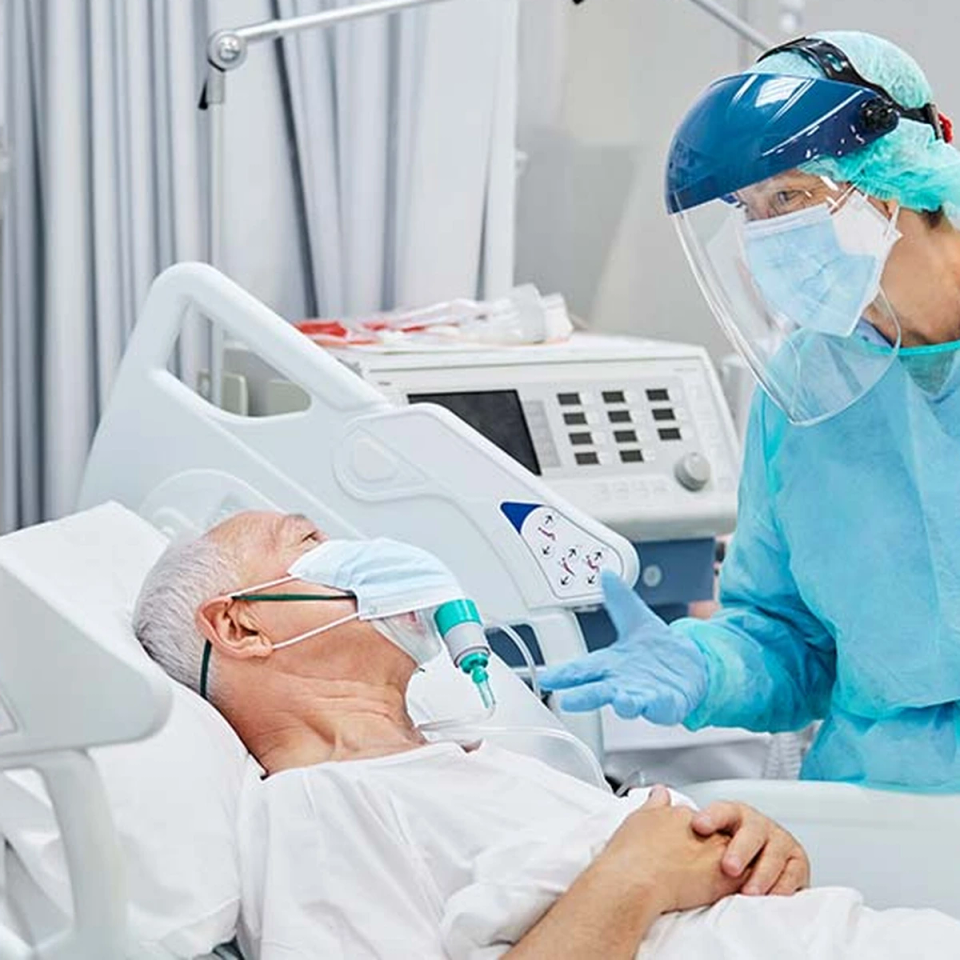
Acute care nurses take care of patients who are very sick or badly injured, often in emergency rooms, intensive care units, or after major surgery. They read data from monitors, EKGs, ventilators, and lab tests to make fast, high‑stakes decisions about medicines, breathing support, pain control, and other treatments. They also lead and coordinate with doctors, pharmacists, and other nurses to create and adjust care plans, support families during crises, and make sure every detail of a patient’s hospital stay—from admission to discharge—is safe, accurate, and clearly documented.
Did you know?
Must obtain an RN license through NCLEX-RN examination and complete an accredited nursing program, with many employers preferring BSN degrees.
At a Glance
Growth
Stable
Top Skill
Management of Material Resources
Key Responsibilities
- Diagnose acute or chronic conditions that could result in rapid physiological deterioration or life-threatening instability.
- Order, perform, or interpret the results of diagnostic tests and screening procedures based on assessment results, differential diagnoses, and knowledge about age, gender and health status of clients.
- Manage patients' pain relief and sedation by providing pharmacologic and non-pharmacologic interventions, monitoring patients' responses, and changing care plans accordingly.
- Assess urgent and emergent health conditions, using both physiologically and technologically derived data.
- Prescribe medications and observe patients' reactions, modifying prescriptions as needed.
- Refer patients for specialty consultations or treatments.
- Assess the needs of patients' family members or caregivers.
- Interpret information obtained from electrocardiograms (EKGs) or radiographs (x-rays).
- Perform emergency medical procedures, such as basic cardiac life support (BLS), advanced cardiac life support (ACLS), and other condition-stabilizing interventions.
- Adjust settings on patients' assistive devices, such as temporary pacemakers.
- Set up, operate, or monitor invasive equipment and devices, such as colostomy or tracheotomy equipment, mechanical ventilators, catheters, gastrointestinal tubes, and central lines.
- Distinguish between normal and abnormal developmental and age-related physiological and behavioral changes in acute, critical, and chronic illness.
- Collaborate with members of multidisciplinary health care teams to plan, manage, or assess patient treatments.
- Analyze the indications, contraindications, risk complications, and cost-benefit tradeoffs of therapeutic interventions.
- Assist patients in organizing their health care system activities.
- Document data related to patients' care, including assessment results, interventions, medications, patient responses, or treatment changes.
- Discuss illnesses and treatments with patients and family members.
- Provide formal and informal education to other staff members.
- Collaborate with patients to plan for future health care needs or to coordinate transitions and referrals.
- Perform administrative duties that facilitate admission, transfer, or discharge of patients.
- Treat wounds or superficial lacerations.
- Participate in the development of practice protocols.
- Assess the impact of illnesses or injuries on patients' health, function, growth, development, nutrition, sleep, rest, quality of life, or family, social and educational relationships.
- Read current literature, talk with colleagues, and participate in professional organizations or conferences to keep abreast of developments in acute care.
- Participate in patients' care meetings and conferences.
- Obtain specimens or samples for laboratory work.
- Administer blood and blood product transfusions or intravenous infusions, monitoring patients for adverse reactions.
Career Considerations
Licensing and Education Requirements
Must obtain an RN license through NCLEX-RN examination and complete an accredited nursing program, with many employers preferring BSN degrees.
High-Stress Work Environment
Work involves fast-paced, emotionally demanding situations with critically ill patients, requiring strong stress management and decision-making skills.
Strong Job Market Demand
Excellent employment prospects due to aging population and healthcare expansion, with competitive salaries averaging $75,000-$90,000 annually.