Adapted Physical Education Teachers
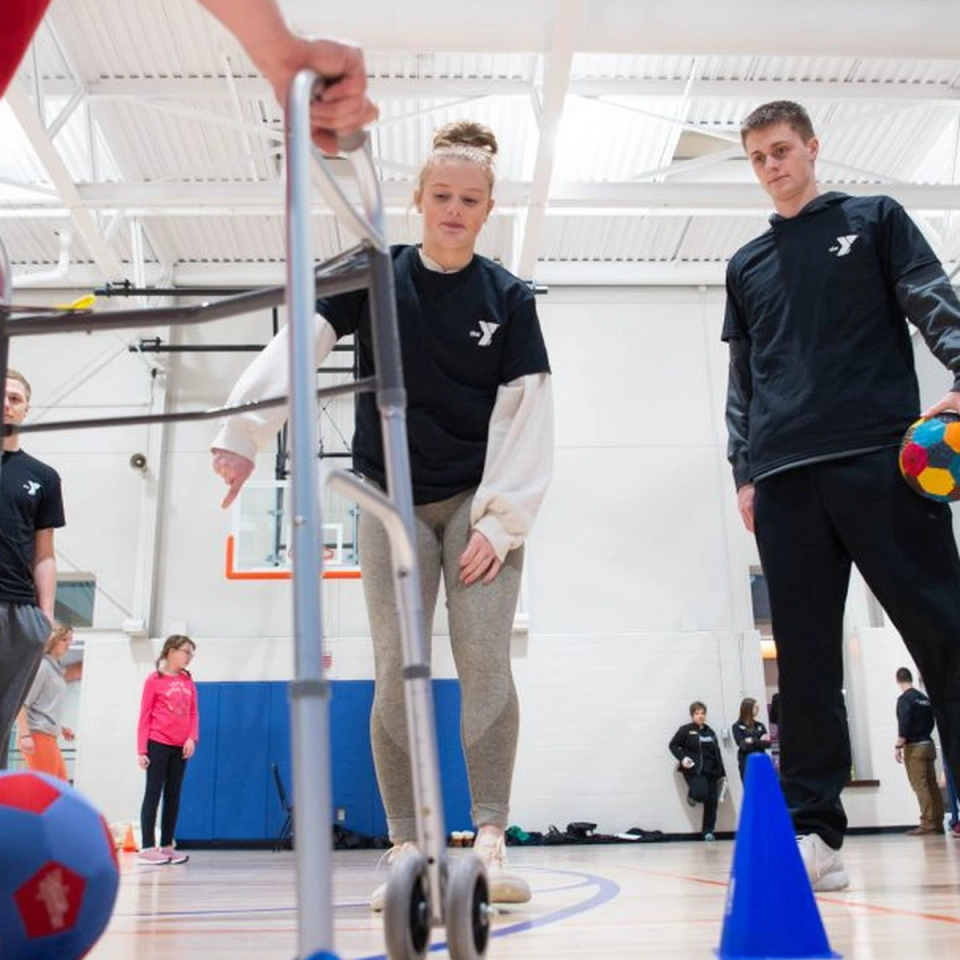
Adapted Physical Education Teachers design and lead customized PE lessons for students who have physical, intellectual, or developmental disabilities, making sure every student can safely participate and build strength, balance, and coordination. They study each student’s abilities, help write or update Individualized Education Programs (IEPs), and choose or modify activities, rules, and equipment—such as using lighter balls, visual markers, or wheelchair-accessible games—to fit specific needs and goals. They also track progress with detailed records, communicate regularly with parents and school staff, and help schools create inclusive sports and fitness programs where students with disabilities can join in alongside their peers.
Did you know?
Most states require specific certification in adapted physical education beyond general PE teaching credentials, often including coursework in disability studies and therapeutic techniques.
At a glance
Typical average pay
$63,600 Avg/yr
Growth
Stable
Top skill
Instructing
Things to consider
Legal Compliance and IEP Knowledge
Professionals must understand federal laws like IDEA and ADA to develop appropriate Individualized Education Programs (IEPs) and ensure legal compliance in educational settings.
Growing Employment Opportunities
Increasing emphasis on inclusive education and federal mandates for serving students with disabilities create expanding job prospects in public schools and specialized facilities.
Key responsibilities
Adapt instructional techniques to the age and skill levels of students.
Provide students positive feedback to encourage them and help them develop an appreciation for physical education.
Maintain thorough student records to document attendance, participation, or progress, ensuring confidentiality of all records.
Provide individual or small groups of students with adapted physical education instruction that meets desired physical needs or goals.
Evaluate the motor needs of individual students to determine their need for adapted physical education services.