Aerospace Engineers
Aerospace engineers design and build the aircraft, spacecraft, satellites, and missiles that help us explore the skies and space. They use advanced computer software and simulation tools to create prototypes, test their designs for safety and performance, and solve complex problems when things don't work as planned. This career combines creativity with cutting-edge technology, requiring strong math and science skills, and often involves collaborative teamwork in modern labs and offices. Many aerospace engineers start with a bachelor's degree in aerospace or mechanical engineering and get to work on projects that literally reach for the stars.
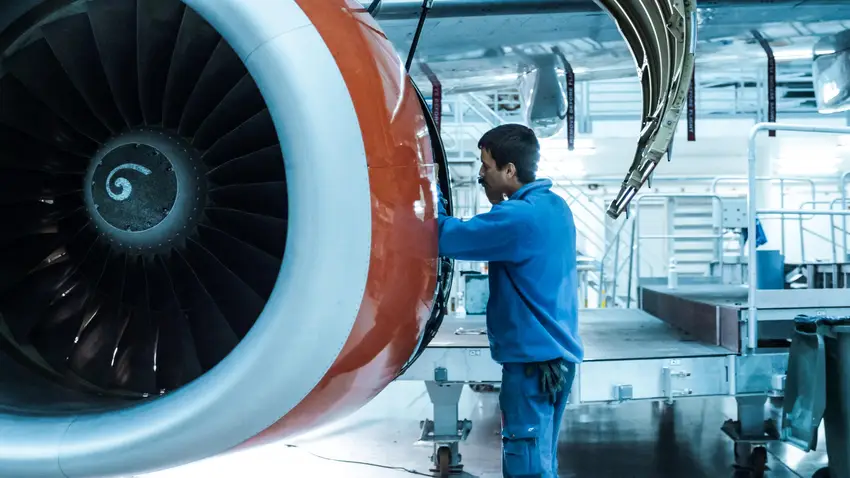
Did you know?
Many aerospace positions in the US require security clearances due to defense contracts, which involves background checks and citizenship requirements.
At a glance
Typical average pay
$126,300 Avg/yr
Growth
Fast growing
Top skill
Critical Thinking
Things to consider
ABET-Accredited Education
A bachelor's degree from an ABET-accredited engineering program is typically required for entry-level positions and professional licensure in the United States.
Geographic Concentration
Aerospace jobs are concentrated in specific regions like California, Texas, Florida, and Washington, often requiring relocation for optimal career opportunities.
Key responsibilities
Develop design criteria for aeronautical or aerospace products or systems, including testing methods, production costs, quality standards, environmental standards, or completion dates.
Design or engineer filtration systems that reduce harmful emissions.
Formulate conceptual design of aeronautical or aerospace products or systems to meet customer requirements or conform to environmental regulations.
Direct or coordinate activities of engineering or technical personnel involved in designing, fabricating, modifying, or testing of aircraft or aerospace products.
Plan or conduct experimental, environmental, operational, or stress tests on models or prototypes of aircraft or aerospace systems or equipment.