Agricultural Equipment Operators
Agricultural Equipment Operators drive and control high-tech farm machinery like tractors, combines, and irrigation systems to plant, grow, and harvest crops that feed the world. They operate GPS-guided equipment, mix fertilizers and seeds, repair machinery when it breaks down, and lead teams of workers during planting and harvest seasons. This hands-on career combines mechanical skills with outdoor work, and many operators learn through on-the-job training or agricultural programs at community colleges. Modern farm operations often involve precision agriculture technology and collaborative teamwork to maximize crop yields efficiently.
Did you know?
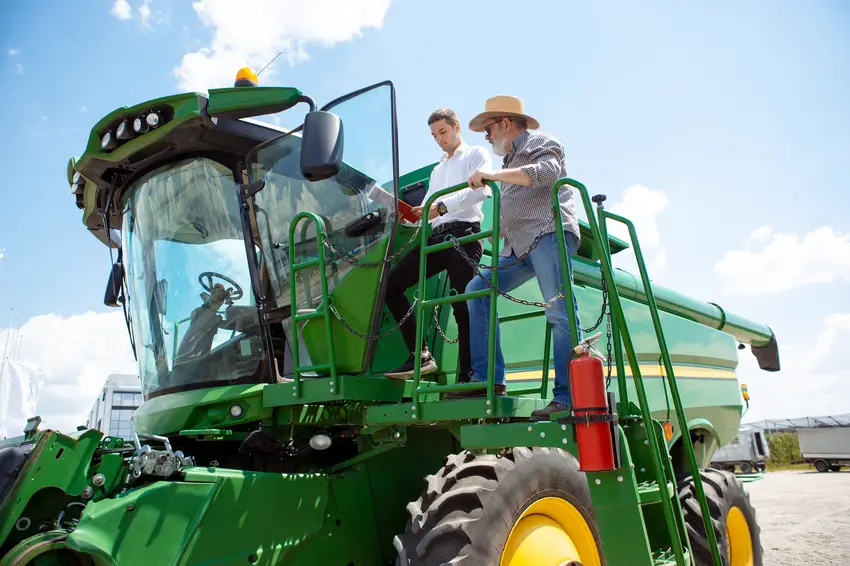
Operating heavy farm machinery requires strict adherence to safety protocols and physical stamina to handle equipment that can weigh several tons.
At a glance
Typical average pay
$42,100 Avg/yr
Growth
Fast growing
Top skill
Operation and Control
Things to consider
Seasonal Employment Patterns
Most farm machinery operator positions in the US follow agricultural seasons, with peak demand during planting and harvest periods, leading to potential income fluctuations.
Technical Skill Requirements
Modern American farms increasingly use GPS-guided and computer-controlled equipment, requiring operators to develop both mechanical and basic technological competencies.
Key responsibilities
Mix specified materials or chemicals, and dump solutions, powders, or seeds into planter or sprayer machinery.
Spray fertilizer or pesticide solutions to control insects, fungus and weed growth, and diseases, using hand sprayers.
Guide products on conveyors to regulate flow through machines, and to discard diseased or rotten products.
Weigh crop-filled containers, and record weights and other identifying information.
Load and unload crops or containers of materials, manually or using conveyors, handtrucks, forklifts, or transfer augers.