
Agricultural Managers

Overview

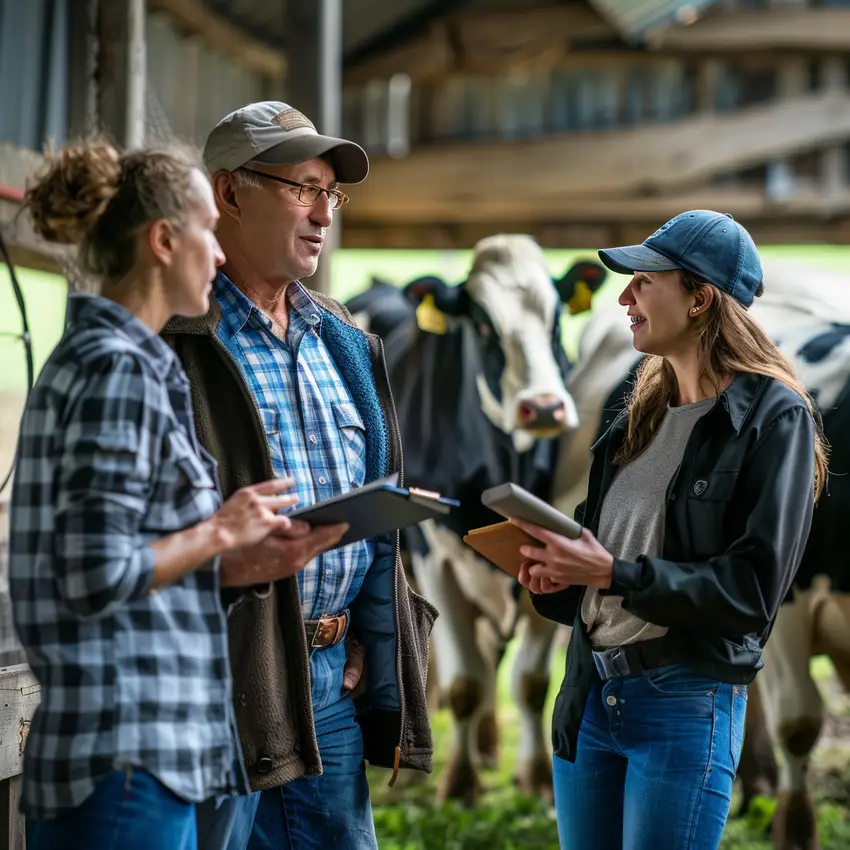
Agricultural managers run farms and ranches that produce crops, livestock, and dairy products, making important business decisions about what to grow or raise based on market conditions and environmental factors. They supervise all aspects of production from planting and harvesting to animal care, while also managing equipment, facilities, and sales of their products. Modern agricultural managers use precision farming technology, GPS systems, and data analytics to optimize crop yields and livestock health. This career combines business management skills with hands-on agricultural knowledge, and many managers have degrees in agriculture, business, or related fields.
Agricultural Managers

Did you know?

Must stay current with complex federal and state agricultural regulations including USDA, EPA, and FDA requirements that govern farming practices, food safety, and environmental protection.

At a Glance

Median Wage

$82,453.57 Avg/yr

Growth

Stable

Top Skill

Management of Personnel Resources

Key Responsibilities

  • Analyze soil to determine types or quantities of fertilizer required for maximum crop production.
  • Monitor activities, such as irrigation, chemical application, harvesting, milking, breeding, and grading, to ensure adherence to safety regulations or standards.
  • Supervise the construction of farm or ranch structures, such as buildings, fences, drainage systems, wells, or roads.
  • Inspect facilities and equipment for signs of disrepair, and perform necessary maintenance work.
  • Obtain financing for and purchase necessary machinery, land, supplies, or livestock.
  • Collect and record growth, production, and environmental data.
  • Devise and participate in activities to improve fish hatching and growth rates, and to prevent disease in hatcheries.
  • Prepare reports required by state and federal laws.
  • Position and regulate plant irrigation systems, and program environmental and irrigation control computers.
  • Determine, administer, and execute policies relating to operations administration and standards, facility maintenance, and safety.
  • Direct crop production operations, such as planning, tilling, planting, fertilizing, cultivating, spraying, and harvesting.
  • Manage nurseries that grow horticultural plants for sale to trade or retail customers, for display or exhibition, or for research.
  • Determine types or quantities of crops, plants, or livestock to be grown and raised, based on budgets, federal incentives, market conditions, executive directives, projected sales volumes, or soil conditions.
  • Determine plant growing conditions, such as greenhouses, hydroponics, or natural settings, and set planting and care schedules.
  • Determine how to allocate resources and to respond to unanticipated problems, such as insect infestation, drought, and fire.
  • Negotiate with buyers for the sale, storage, or shipment of crops or livestock.
  • Replace chemical insecticides with environmentally friendly practices, such as adding pest-repelling plants to fields.
  • Coordinate clerical, record-keeping, inventory, requisitioning, and marketing activities.
  • Direct and monitor the transfer of mature fish to lakes, ponds, streams, or commercial tanks.
  • Provide information to customers on the care of trees, shrubs, flowers, plants, and lawns.
  • Hire, supervise, and train support workers.
  • Analyze market conditions to determine acreage allocations.
  • Monitor environments to ensure maintenance of optimum animal or plant life.
  • Coordinate the selection and maintenance of brood stock.
  • Direct and monitor trapping and spawning of fish, egg incubation, and fry rearing, applying knowledge of management and fish culturing techniques.
  • Evaluate marketing or sales alternatives for products.
  • Maintain financial, operational, production, or employment records for farms or ranches.
  • Conduct inspections to determine crop maturity or condition or to detect disease or insect infestation.
  • Direct the breeding or raising of stock, such as cattle, poultry, or honeybees, using recognized breeding practices to ensure stock improvement.
  • Conduct or supervise stock examinations to identify diseases or parasites.

Career Considerations

Regulatory Compliance Knowledge

Must stay current with complex federal and state agricultural regulations including USDA, EPA, and FDA requirements that govern farming practices, food safety, and environmental protection.

Technology Integration Skills

Need proficiency in precision agriculture technologies, GPS systems, and data analytics to remain competitive in the increasingly tech-driven American agricultural market.

Risk Management Expertise

Must develop strategies to mitigate risks from weather volatility, commodity price fluctuations, and crop insurance decisions that significantly impact American farm profitability.

Want to dig deeper?

Talk to blinky to learn more.

Start chatting
BETA
New York

25 Kent Ave, Suite 401
Brooklyn, NY
11249


North Carolina

204 N Person
Street. Raleigh, NC
27601

Australia

Level 4/80
Wentworth Ave,
Surry Hills,
Sydney, 2010