Agricultural Supervisors
Overview
Agricultural supervisors lead teams of workers on farms, forests, and fishing operations, making sure everything runs smoothly and safely. They train workers, monitor crop and animal health, track production numbers, and use modern technology like GPS systems and drones to oversee operations. This role combines hands-on outdoor work with leadership skills, requiring knowledge of agriculture, safety protocols, and team management. Many supervisors start as farm workers and advance through experience, though agricultural degrees can accelerate career growth.
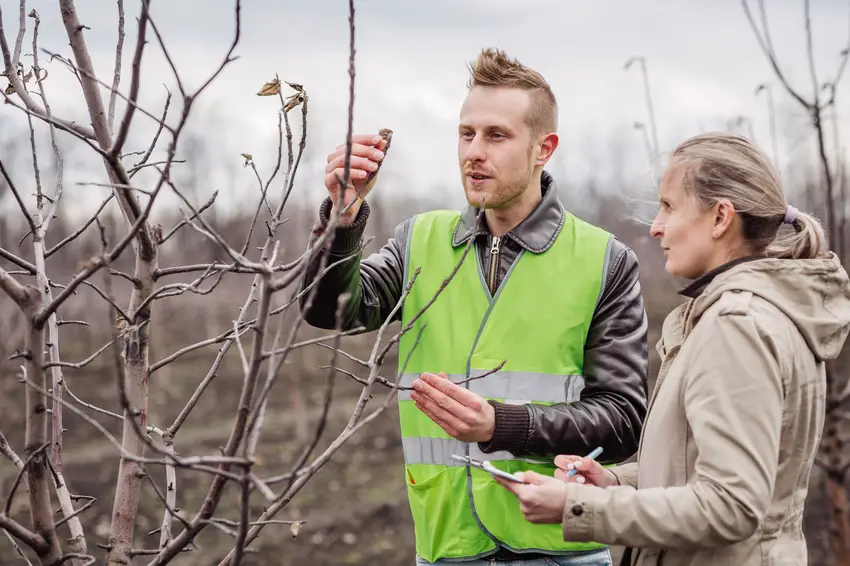
Did you know?
Most positions require a bachelor's degree in agriculture, agribusiness, or related field, along with potential certifications in pesticide application and safety management specific to US regulations.
At a Glance
Median Wage
$60,536.94 Avg/yr
Growth
Stable
Top Skill
Persuasion
Key Responsibilities
- Communicate with forestry personnel regarding forest harvesting or forest management plans, procedures, or schedules.
- Issue equipment, such as farm implements, machinery, ladders, or containers to workers, and collect equipment when work is complete.
- Direct or assist with the adjustment or repair of equipment or machinery.
- Train workers in spawning, rearing, cultivating, and harvesting methods, and in the use of equipment.
- Drive or operate farm machinery, such as trucks, tractors, or self-propelled harvesters, to transport workers or supplies or to cultivate or harvest fields.
- Monitor workers to ensure that safety regulations are followed, warning or disciplining those who violate safety regulations.
- Observe fish and beds or ponds to detect diseases, monitor fish growth, determine quality of fish, or determine completeness of harvesting.
- Schedule work crews, equipment, or transportation for several different work locations.
- Train workers in tree felling or bucking, operation of tractors or loading machines, yarding or loading techniques, or safety regulations.
- Train workers in techniques such as planting, harvesting, weeding, or insect identification and in the use of safety measures.
- Read inventory records, customer orders, or shipping schedules to determine required activities.
- Inspect crops, fields, or plant stock to determine conditions and need for cultivating, spraying, weeding, or harvesting.
- Observe animals for signs of illness, injury, or unusual behavior, notifying veterinarians or managers as warranted.
- Confer with managers to determine production requirements, conditions of equipment and supplies, and work schedules.
- Inspect buildings, fences, fields or ranges, supplies, and equipment to determine work to be performed.
- Calculate or monitor budgets for maintenance or development of collections, grounds, or infrastructure.
- Transport or arrange for transport of animals, equipment, food, animal feed, and other supplies to and from work sites.
- Coordinate the selection and movement of logs from storage areas, according to transportation schedules or production requirements.
- Record the numbers and types of fish or shellfish reared, harvested, released, sold, and shipped.
- Monitor operations to identify and solve problems, improve work methods, and ensure compliance with safety, company, and government regulations.
- Monitor or oversee construction projects, such as horticultural buildings or irrigation systems.
- Prepare and maintain time or payroll reports, as well as details of personnel actions, such as performance evaluations, hires, promotions, or disciplinary actions.
- Confer with managers to evaluate weather or soil conditions, to develop plans or procedures, or to discuss issues such as changes in fertilizers, herbicides, or cultivating techniques.
- Coordinate dismantling, moving, and setting up equipment at new work sites.
- Plan work schedules according to personnel and equipment availability.
- Treat animal illnesses or injuries, following experience or instructions of veterinarians.
- Perform both supervisory and management functions, such as accounting, marketing, and personnel work.
- Assign tasks such as feeding and treatment of animals, and cleaning and maintenance of animal quarters.
- Inspect facilities to determine maintenance needs.
- Requisition or purchase supplies, such as insecticides, machine parts or lubricants, or tools.
Career Considerations
Educational Requirements and Certifications
Most positions require a bachelor's degree in agriculture, agribusiness, or related field, along with potential certifications in pesticide application and safety management specific to US regulations.
Seasonal Employment Patterns
Work schedules are heavily influenced by planting and harvest seasons, requiring flexibility and often involving long hours during peak agricultural periods.
Technology Integration and Data Management
Modern American agriculture increasingly relies on precision farming technologies, GPS systems, and data analytics, requiring supervisors to stay current with technological advances.