
Agricultural Technicians

Overview

Agricultural technicians work alongside scientists to test and analyze food and crop quality using advanced laboratory equipment and technology. They collect samples from farms, operate scientific instruments to examine crops and animals for diseases, and use data analysis software to compile test results into detailed reports. This hands-on career combines fieldwork with lab science, requiring attention to detail and knowledge of both agricultural practices and modern testing methods. Many technicians start with an associate degree in agriculture or related sciences and often work in collaborative team environments.
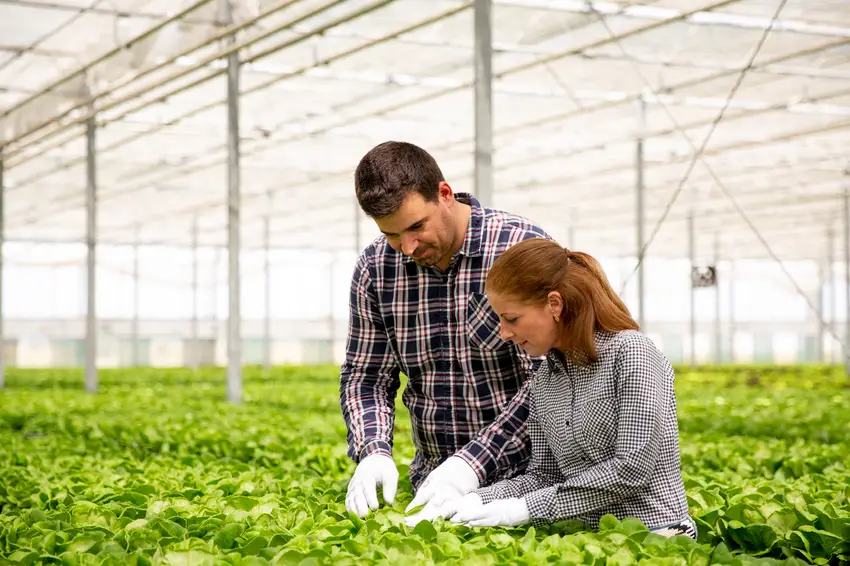
Agricultural Technicians

Did you know?

Most positions require an associate degree in agriculture, biology, or related field, with some employers preferring additional certifications in specialized agricultural technologies.

At a Glance

Median Wage

$45,968.89 Avg/yr

Growth

Fast Growing

Top Skill

Active Listening

Key Responsibilities

  • Conduct insect or plant disease surveys.
  • Assess comparative soil erosion from various planting or tillage systems, such as conservation tillage with mulch or ridge till systems, no-till systems, or conventional tillage systems with or without moldboard plows.
  • Measure or weigh ingredients used in laboratory testing.
  • Determine the germination rates of seeds planted in specified areas.
  • Maintain or repair agricultural facilities, equipment, or tools to ensure operational readiness, safety, and cleanliness.
  • Conduct studies of nitrogen or alternative fertilizer application methods, quantities, or timing to ensure satisfaction of crop needs and minimization of leaching, runoff, or denitrification.
  • Prepare laboratory samples for analysis, following proper protocols to ensure that they will be stored, prepared, and disposed of efficiently and effectively.
  • Perform general nursery duties, such as propagating standard varieties of plant materials, collecting and germinating seeds, maintaining cuttings of plants, or controlling environmental conditions.
  • Record environmental data from field samples of soil, air, water, or pests to monitor the effectiveness of integrated pest management (IPM) practices.
  • Supervise pest or weed control operations, including locating and identifying pests or weeds, selecting chemicals and application methods, or scheduling application.
  • Examine animals or crop specimens to determine the presence of diseases or other problems.
  • Operate farm machinery, including tractors, plows, mowers, combines, balers, sprayers, earthmoving equipment, or trucks.
  • Collect animal or crop samples.
  • Transplant trees, vegetables, or horticultural plants.
  • Prepare or present agricultural demonstrations.
  • Perform crop production duties, such as tilling, hoeing, pruning, weeding, or harvesting crops.
  • Prepare data summaries, reports, or analyses that include results, charts, or graphs to document research findings and results.
  • Record data pertaining to experimentation, research, or animal care.
  • Perform tests on seeds to evaluate seed viability.
  • Devise cultural methods or environmental controls for plants for which guidelines are sketchy or nonexistent.
  • Set up laboratory or field equipment as required for site testing.
  • Respond to general inquiries or requests from the public.
  • Prepare land for cultivated crops, orchards, or vineyards by plowing, discing, leveling, or contouring.
  • Supervise or train agricultural technicians or farm laborers.
  • Perform laboratory or field testing, using spectrometers, nitrogen determination apparatus, air samplers, centrifuges, or potential hydrogen (pH) meters to perform tests.
  • Prepare culture media, following standard procedures.

Career Considerations

Educational Requirements

Most positions require an associate degree in agriculture, biology, or related field, with some employers preferring additional certifications in specialized agricultural technologies.

Geographic Concentration

Job opportunities are primarily located in rural agricultural regions, particularly in the Midwest, California's Central Valley, and other major farming areas across the United States.

Technology Integration

The field increasingly requires proficiency with precision agriculture tools, GPS systems, drones, and data analysis software as farming becomes more technologically advanced.

Want to dig deeper?

Talk to blinky to learn more.

Start chatting
BETA
New York

25 Kent Ave, Suite 401
Brooklyn, NY
11249


North Carolina

204 N Person
Street. Raleigh, NC
27601

Australia

Level 4/80
Wentworth Ave,
Surry Hills,
Sydney, 2010