Animal Caretakers
Animal caretakers work hands-on with pets and other animals in shelters, veterinary clinics, kennels, and pet stores to keep them healthy and happy. They handle daily care like feeding, grooming, and exercising animals, while also monitoring their health, administering basic medical treatments, and training them for good behavior. Using modern veterinary equipment and digital record-keeping systems, they track each animal's diet, health condition, and progress. This career involves close collaboration with veterinarians, pet owners, and other animal care professionals in both traditional facilities and modern hybrid work environments.
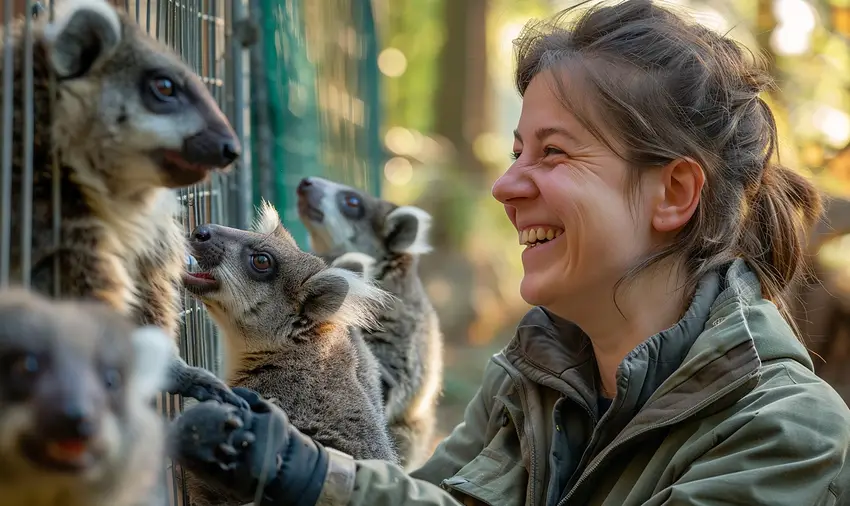
Did you know?
Animal caretakers in the US often work in physically demanding environments that require lifting heavy supplies, cleaning facilities, and working outdoors in various weather conditions.
At a glance
Typical average pay
$31,700 Avg/yr
Growth
Fast growing
Top skill
Monitoring
Things to consider
Emotional Resilience Requirements
The role frequently involves emotionally challenging situations such as caring for sick or injured animals, witnessing euthanasia procedures, and dealing with animal abandonment cases.
Limited Advancement Without Additional Training
While entry-level positions typically require only a high school diploma, career advancement in American animal care facilities often requires specialized certifications or veterinary assistant training.
Key responsibilities
Mix food, liquid formulas, medications, or food supplements according to instructions, prescriptions, and knowledge of animal species.
Do facility laundry and clean, organize, maintain, and disinfect animal quarters, such as pens and stables, and equipment, such as saddles and bridles.
Collect and record animal information, such as weight, size, physical condition, treatments received, medications given, and food intake.
Transfer animals between enclosures to facilitate breeding, birthing, shipping, or rearrangement of exhibits.
Adjust controls to regulate specified temperature and humidity of animal quarters, nurseries, or exhibit areas.