Animal Workers
Farm, ranch, and aquacultural animal workers care for animals raised for food, fiber, or recreation, such as cattle, pigs, fish, and shellfish. They feed and water animals, clean enclosures, assist with breeding and medical care, and maintain equipment like feeding systems or tanks. On aquaculture farms, they monitor water quality and help harvest fish or seafood. These workers play a key role in ensuring animal health and product quality, often working outdoors in all kinds of weather. The role requires physical stamina, responsibility, and basic knowledge of animal care and safety practices.
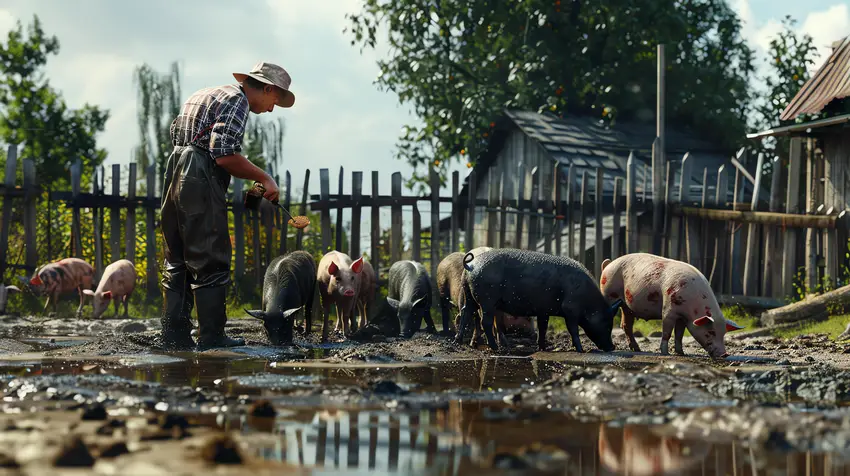
Did you know?
This occupation requires significant physical stamina and the ability to work outdoors in various weather conditions, including extreme heat, cold, and precipitation.
At a glance
Typical average pay
$37,200 Avg/yr
Growth
Stable
Top skill
Critical Thinking
Things to consider
Seasonal Employment Patterns
Many positions in this field are seasonal or temporary, which can lead to periods of unemployment and income instability throughout the year.
Safety Training and Animal Handling Requirements
Workers must be trained in proper safety protocols for handling animals and operating farm equipment to prevent injuries and ensure animal welfare.
Key responsibilities
Segregate animals according to weight, age, color, and physical condition.
Maintain growth, feeding, production, and cost records.
Feed and water livestock and monitor food and water supplies.
Drive trucks, tractors, and other equipment to distribute feed to animals.
Move equipment, poultry, or livestock from one location to another, manually or using trucks or carts.