Anthropologists and Archeologists
Overview
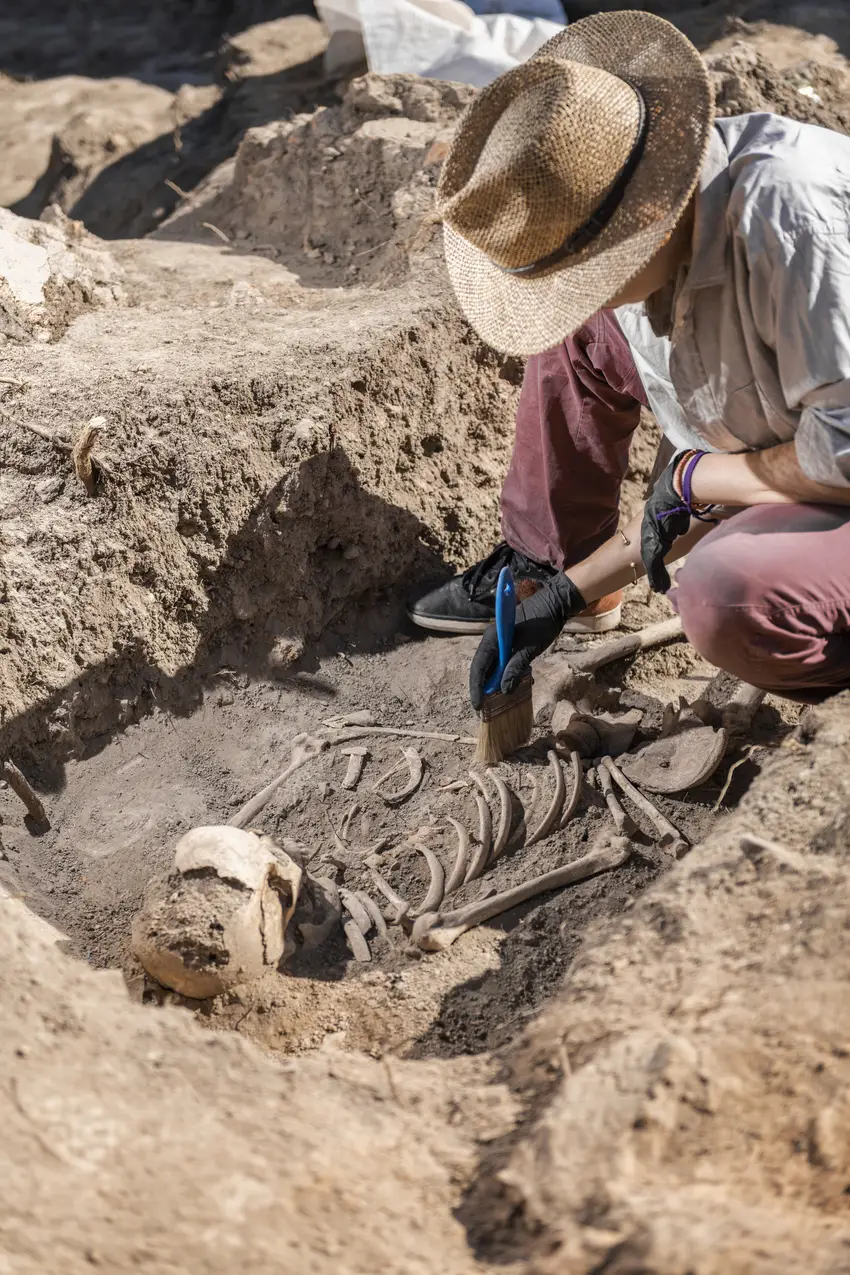
Anthropologists and archaeologists are like detectives who study human history and culture by examining everything from ancient artifacts to modern societies. They plan research projects, collect data through fieldwork and interviews, and use digital tools to analyze their findings and uncover patterns about how people lived, worked, and interacted throughout history. These professionals often work in teams, splitting time between outdoor excavation sites and labs or offices where they write reports and present their discoveries to museums, universities, or government organizations. A bachelor's degree in anthropology, archaeology, or related fields is typically required, with many pursuing advanced degrees for specialized research roles.
Did you know?
Most archaeological positions in the US require a Master's degree or PhD, with specialized coursework in American archaeology, anthropology, and research methods.
At a Glance
Median Wage
$65,966.59 Avg/yr
Growth
Fast Growing
Top Skill
Service Orientation
Key Responsibilities
- Consult site reports, existing artifacts, and topographic maps to identify archeological sites.
- Lead field training sites and train field staff, students, and volunteers in excavation methods.
- Compare findings from one site with archeological data from other sites to find similarities or differences.
- Collaborate with economic development planners to decide on the implementation of proposed development policies, plans, and programs based on culturally institutionalized barriers and facilitating circumstances.
- Create data records for use in describing and analyzing social patterns and processes, using photography, videography, and audio recordings.
- Participate in forensic activities, such as tooth and bone structure identification, in conjunction with police departments and pathologists.
- Teach or mentor undergraduate and graduate students in anthropology or archeology.
- Assess archeological sites for resource management, development, or conservation purposes and recommend methods for site protection.
- Formulate general rules that describe and predict the development and behavior of cultures and social institutions.
- Study archival collections of primary historical sources to help explain the origins and development of cultural patterns.
- Plan and direct research to characterize and compare the economic, demographic, health care, social, political, linguistic, and religious institutions of distinct cultural groups, communities, and organizations.
- Apply traditional ecological knowledge and assessments of culturally distinctive land and resource management institutions to assist in the resolution of conflicts over habitat protection and resource enhancement.
- Train others in the application of ethnographic research methods to solve problems in organizational effectiveness, communications, technology development, policy making, and program planning.
- Organize public exhibits and displays to promote public awareness of diverse and distinctive cultural traditions.
- Collect information and make judgments through observation, interviews, and review of documents.
- Identify culturally specific beliefs and practices affecting health status and access to services for distinct populations and communities, in collaboration with medical and public health officials.
- Write about and present research findings for a variety of specialized and general audiences.
- Conduct participatory action research in communities and organizations to assess how work is done and to design work systems, technologies, and environments.
- Clean, restore, and preserve artifacts.
- Research, survey, or assess sites of past societies and cultures in search of answers to specific research questions.
- Advise government agencies, private organizations, and communities regarding proposed programs, plans, and policies and their potential impacts on cultural institutions, organizations, and communities.
- Develop and test theories concerning the origin and development of past cultures.
- Enhance the cultural sensitivity of elementary and secondary curricula and classroom interactions in collaboration with educators and teachers.
- Study objects and structures recovered by excavation to identify, date, and authenticate them and to interpret their significance.
- Gather and analyze artifacts and skeletal remains to increase knowledge of ancient cultures.
- Describe artifacts' physical properties or attributes, such as the materials from which artifacts are made and their size, shape, function, and decoration.
- Write grant proposals to obtain funding for research.
- Develop intervention procedures, using techniques such as individual and focus group interviews, consultations, and participant observation of social interaction.
- Record the exact locations and conditions of artifacts uncovered in diggings or surveys, using drawings and photographs as necessary.
- Collect artifacts made of stone, bone, metal, and other materials, placing them in bags and marking them to show where they were found.
Career Considerations
Advanced Education Requirements
Most archaeological positions in the US require a Master's degree or PhD, with specialized coursework in American archaeology, anthropology, and research methods.
Competitive Job Market and Funding
The field faces intense competition for limited academic positions and relies heavily on grant funding from federal agencies like the NSF and NEH.
Federal Compliance and Legal Knowledge
Archaeologists must understand US laws like NAGPRA and Section 106 requirements for cultural resource management and working with Native American communities.