
Auto Body Technicians

Overview

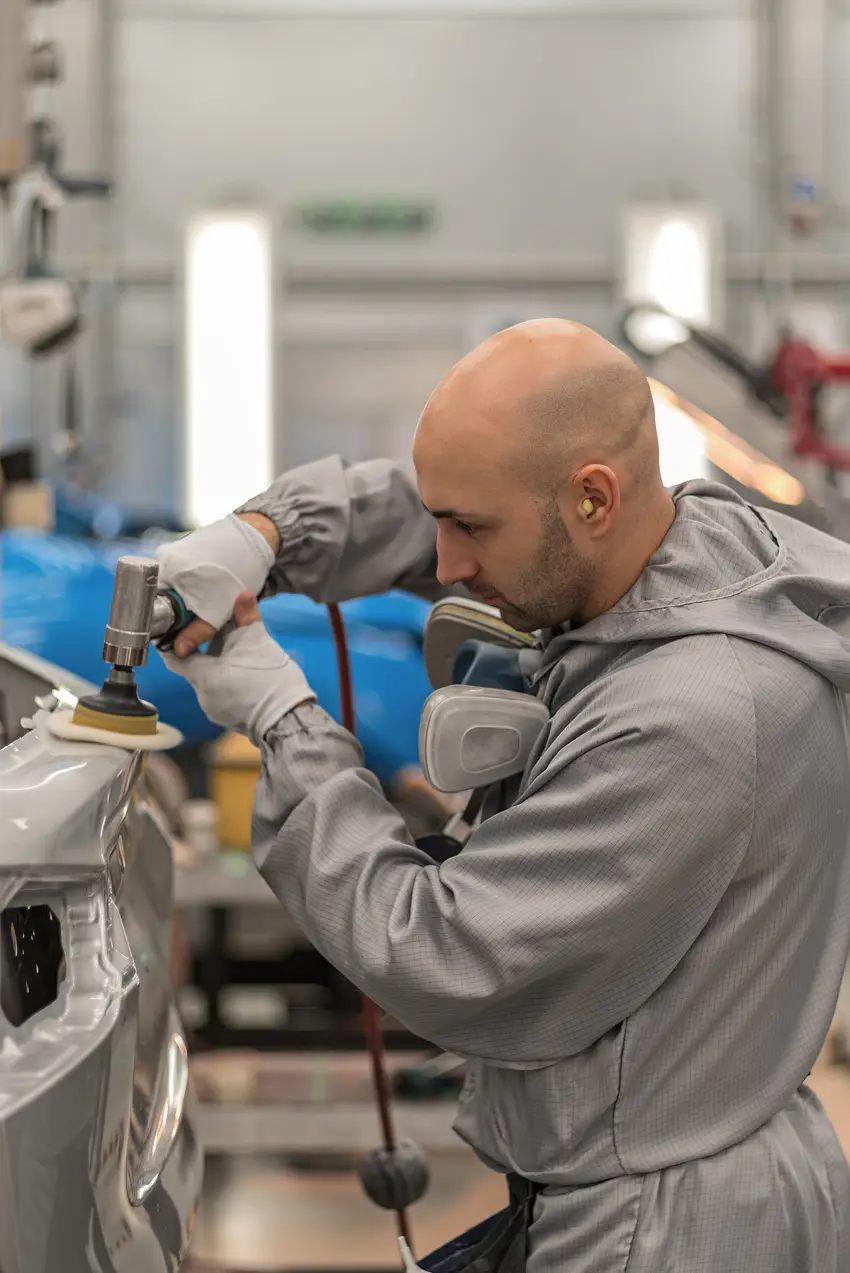
Auto body technicians are like doctors for damaged cars, using their skills to bring vehicles back to life after accidents. They assess damage, remove and replace parts like bumpers and fenders, straighten frames, and use welding equipment to attach new components. These professionals work with advanced tools like computerized paint matching systems and hydraulic frame machines to restore cars to their original condition. Many technicians work in collaborative shop environments and can pursue certification programs or apprenticeships to enter this hands-on career.
Auto Body Technicians

Did you know?

Auto body technicians face significant physical demands including heavy lifting, prolonged standing, and exposure to chemicals and dust, requiring strict adherence to safety protocols.

At a Glance

Median Wage

$52,560.20 Avg/yr

Growth

Stable

Top Skill

Operation and Control

Key Responsibilities

  • Remove upholstery, accessories, electrical window-and-seat-operating equipment, and trim to gain access to vehicle bodies and fenders.
  • Measure and mark vinyl material and cut material to size for roof installation, using rules, straightedges, and hand shears.
  • Remove small pits and dimples in body metal, using pick hammers and punches.
  • Inspect repaired vehicles for proper functioning, completion of work, dimensional accuracy, and overall appearance of paint job, and test-drive vehicles to ensure proper alignment and handling.
  • Position dolly blocks against surfaces of dented areas and beat opposite surfaces to remove dents, using hammers.
  • Soak fiberglass matting in resin mixtures and apply layers of matting over repair areas to specified thicknesses.
  • Fit and weld replacement parts into place, using wrenches and welding equipment, and grind down welds to smooth them, using power grinders and other tools.
  • Sand body areas to be painted and cover bumpers, windows, and trim with masking tape or paper to protect them from the paint.
  • Apply heat to plastic panels, using hot-air welding guns or immersion in hot water, and press the softened panels back into shape by hand.
  • Cut openings in vehicle bodies for the installation of customized windows, using templates and power shears or chisels.
  • Mix polyester resins and hardeners to be used in restoring damaged areas.
  • Read specifications or confer with customers to determine the desired custom modifications for altering the appearance of vehicles.
  • Remove damaged sections of vehicles using metal-cutting guns, air grinders and wrenches, and install replacement parts using wrenches or welding equipment.
  • Remove damaged panels, and identify the family and properties of the plastic used on a vehicle.
  • Replace damaged glass on vehicles.
  • File, grind, sand, and smooth filled or repaired surfaces, using power tools and hand tools.
  • Follow supervisors' instructions as to which parts to restore or replace and how much time the job should take.
  • Fit and secure windows, vinyl roofs, and metal trim to vehicle bodies, using caulking guns, adhesive brushes, and mallets.
  • Fill small dents that cannot be worked out with plastic or solder.
  • Review damage reports, prepare or review repair cost estimates, and plan work to be performed.
  • Cut and tape plastic separating film to outside repair areas to avoid damaging surrounding surfaces during repair procedure and remove tape and wash surfaces after repairs are complete.
  • Clean work areas, using air hoses, to remove damaged material and discarded fiberglass strips used in repair procedures.
  • Adjust or align headlights, wheels, and brake systems.
  • Chain or clamp frames and sections to alignment machines that use hydraulic pressure to align damaged components.
  • Prime and paint repaired surfaces, using paint sprayguns and motorized sanders.

Career Considerations

Physical Demands and Safety Requirements

Auto body technicians face significant physical demands including heavy lifting, prolonged standing, and exposure to chemicals and dust, requiring strict adherence to safety protocols.

Certification and Continuous Learning

ASE (Automotive Service Excellence) certification is highly valued by employers, and technicians must continuously update skills to work with evolving vehicle technologies and materials.

Job Market Stability and Earning Potential

The profession offers steady employment due to consistent demand from vehicle accidents, with earning potential varying significantly based on geographic location, experience level, and employer type.

Want to dig deeper?

Talk to blinky to learn more.

Start chatting
BETA
New York

25 Kent Ave, Suite 401
Brooklyn, NY
11249


North Carolina

204 N Person
Street. Raleigh, NC
27601

Australia

Level 4/80
Wentworth Ave,
Surry Hills,
Sydney, 2010