
Automotive Design Engineers

Overview

Automotive Design Engineers create and improve cars and trucks, from the shape of the body to the engines, brakes, and computer systems that run them. They use tools like CAD (computer‑aided design) software, driving simulators, and data from sensors to design safer, more efficient vehicles, including electric and hybrid models. They also lead testing, solve complex problems when parts fail, and work with production, quality, and maintenance teams to make sure their designs can be built reliably in real factories.
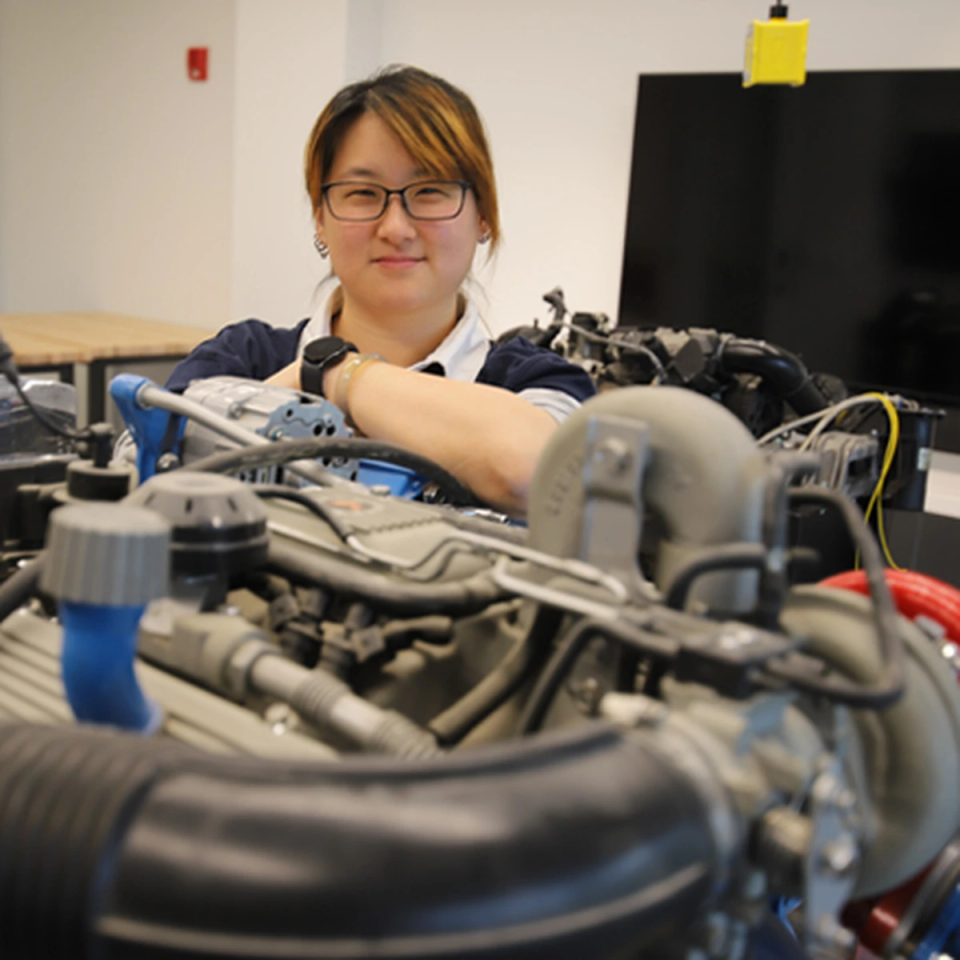
Automotive Design Engineers

Did you know?

The American automotive industry is rapidly shifting toward electric vehicles and autonomous driving technologies, requiring continuous learning and adaptation to new engineering paradigms.

At a Glance

Growth

Stable

Top Skill

Installation

Key Responsibilities

  • Calibrate vehicle systems, including control algorithms or other software systems.
  • Coordinate production activities with other functional units, such as procurement, maintenance, or quality control.
  • Build models for algorithm or control feature verification testing.
  • Design control systems or algorithms for purposes such as automotive energy management, emissions management, or increased operational safety or performance.
  • Write, review, or maintain engineering documentation.
  • Research or implement green automotive technologies involving alternative fuels, electric or hybrid cars, or lighter or more fuel-efficient vehicles.
  • Develop or implement operating methods or procedures.
  • Provide technical direction to other engineers or engineering support personnel.
  • Alter or modify designs to obtain specified functional or operational performance.
  • Develop engineering specifications or cost estimates for automotive design concepts.
  • Develop specifications for vehicles powered by alternative fuels or alternative power methods.
  • Perform failure, variation, or root cause analyses.
  • Design vehicles that use lighter materials, such as aluminum, magnesium alloy, or plastic, to improve fuel efficiency.
  • Develop or integrate control feature requirements.
  • Conduct automotive design reviews.
  • Conduct or direct system-level automotive testing.
  • Design vehicles for increased recyclability or use of natural, renewable, or recycled materials in vehicle construction.
  • Create design alternatives for vehicle components, such as camless or dual-clutch engines or alternative air-conditioning systems, to increase fuel efficiency.
  • Prepare or present technical or project status reports.
  • Develop calibration methodologies, test methodologies, or tools.
  • Design or analyze automobile systems in areas such as aerodynamics, alternate fuels, ergonomics, hybrid power, brakes, transmissions, steering, calibration, safety, or diagnostics.
  • Research computerized automotive applications, such as telemetrics, intelligent transportation systems, artificial intelligence, or automatic control.
  • Read current literature, attend meetings or conferences, or talk with colleagues to stay abreast of new automotive technology or competitive products.
  • Conduct research studies to develop new concepts in the field of automotive engineering.
  • Establish production or quality control standards.

Career Considerations

Rapid Technology Evolution

The American automotive industry is rapidly shifting toward electric vehicles and autonomous driving technologies, requiring continuous learning and adaptation to new engineering paradigms.

Geographic Industry Concentration

Major automotive engineering opportunities in the US are concentrated in specific regions like Detroit, Silicon Valley, and the Southeast, often requiring relocation for optimal career advancement.

Economic Sensitivity and Market Volatility

The automotive sector in America is highly sensitive to economic cycles and consumer trends, making job security and career planning more challenging during market downturns.

Want to dig deeper?

Talk to blinky to learn more.

Start chatting
BETA
New York

25 Kent Ave, Suite 401
Brooklyn, NY
11249


North Carolina

204 N Person
Street. Raleigh, NC
27601

Australia

Level 4/80
Wentworth Ave,
Surry Hills,
Sydney, 2010