Aviation Safety Inspectors
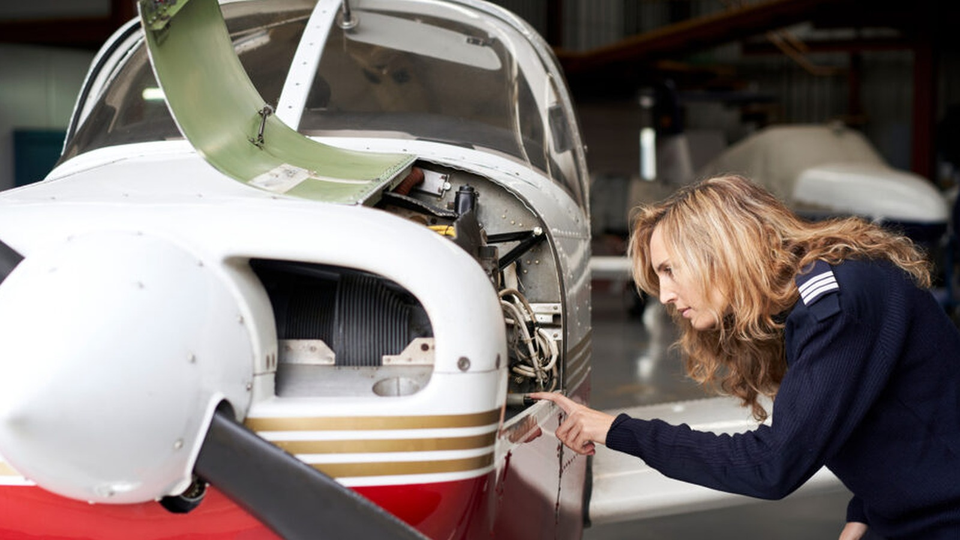
Aviation Safety Inspectors make sure airplanes and helicopters are truly safe to fly. They carefully check landing gear, engines, wings, and control systems for damage or wear, review detailed maintenance logs, and test instruments and equipment during ground checks or flight tests. They also investigate air incidents, evaluate how mechanics and pilots are trained, and decide whether an aircraft meets federal safety regulations and can receive a certificate of airworthiness.
Did you know?
Aviation Inspectors must obtain and maintain Federal Aviation Administration (FAA) certification, which requires extensive training, testing, and ongoing education to stay current with evolving regulations.
At a glance
Typical average pay
$82,600 Avg/yr
Growth
Stable
Top skill
Critical Thinking
Things to consider
Physical Demands and Working Conditions
The role involves working in various environments including hangars, airports, and outdoor settings, often requiring climbing, crawling, and lifting while inspecting aircraft components.
Job Security and Growth Prospects
Employment opportunities are generally stable due to mandatory safety inspections, with growth tied to the expansion of commercial aviation and aging aircraft fleets requiring more frequent inspections.
Key responsibilities
Examine landing gear, tires, and exteriors of fuselage, wings, and engines for evidence of damage or corrosion and the need for repairs.
Start aircraft and observe gauges, meters, and other instruments to detect evidence of malfunctions.
Recommend replacement, repair, or modification of aircraft equipment.
Analyze training programs and conduct oral and written examinations to ensure the competency of persons operating, installing, and repairing aircraft equipment.
Prepare and maintain detailed repair, inspection, investigation, and certification records and reports.