Bakers
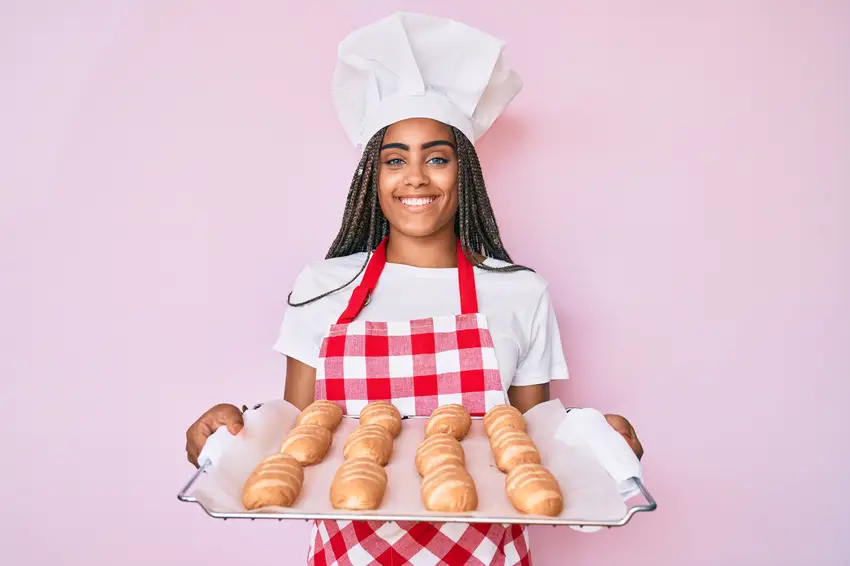
Bakers create delicious breads, pastries, and other baked goods by carefully measuring and mixing ingredients according to recipes. They prepare workstations, use commercial mixers and blenders to combine ingredients, then knead, roll, and shape dough into various forms. Using precise oven temperature control and timing, they monitor the baking process to ensure perfect results. This creative career combines culinary arts with food science, and many bakers work in collaborative environments like bakeries, restaurants, or even start their own businesses.
Did you know?
Most American employers prefer pastry chefs with formal training from accredited culinary schools or extensive apprenticeship experience in professional kitchens.
At a glance
Typical average pay
$35,600 Avg/yr
Growth
Fast growing
Top skill
Monitoring
Things to consider
Physically Demanding Work Environment
The role requires long hours standing in hot kitchens, early morning shifts, and physically intensive tasks including lifting heavy equipment and ingredients.
Diverse Career Path Opportunities
The American market offers various specialization options including restaurants, hotels, independent bakeries, wedding cake design, and entrepreneurial ventures.
Key responsibilities
Develop new recipes for baked goods.
Observe color of products being baked, and adjust oven temperatures, humidity, or conveyor speeds accordingly.
Roll, knead, cut, or shape dough to form sweet rolls, pie crusts, tarts, cookies, or other products.
Apply glazes, icings, or other toppings to baked goods, using spatulas or brushes.
Combine measured ingredients in bowls of mixing, blending, or cooking machinery.