
Biostatisticians

Overview

Biostatisticians use math, coding, and critical thinking to study health and life sciences. They design research studies with doctors and scientists, plan how much data needs to be collected, and choose advanced methods—such as logistic regression, mixed-effect models, and longitudinal analysis—to answer questions about diseases, treatments, and public health. They lead the data side of projects by building databases, writing analysis plans, programming in tools like R, SAS, or Python, and turning complex results into clear graphs, reports, and recommendations that guide real-world medical decisions.
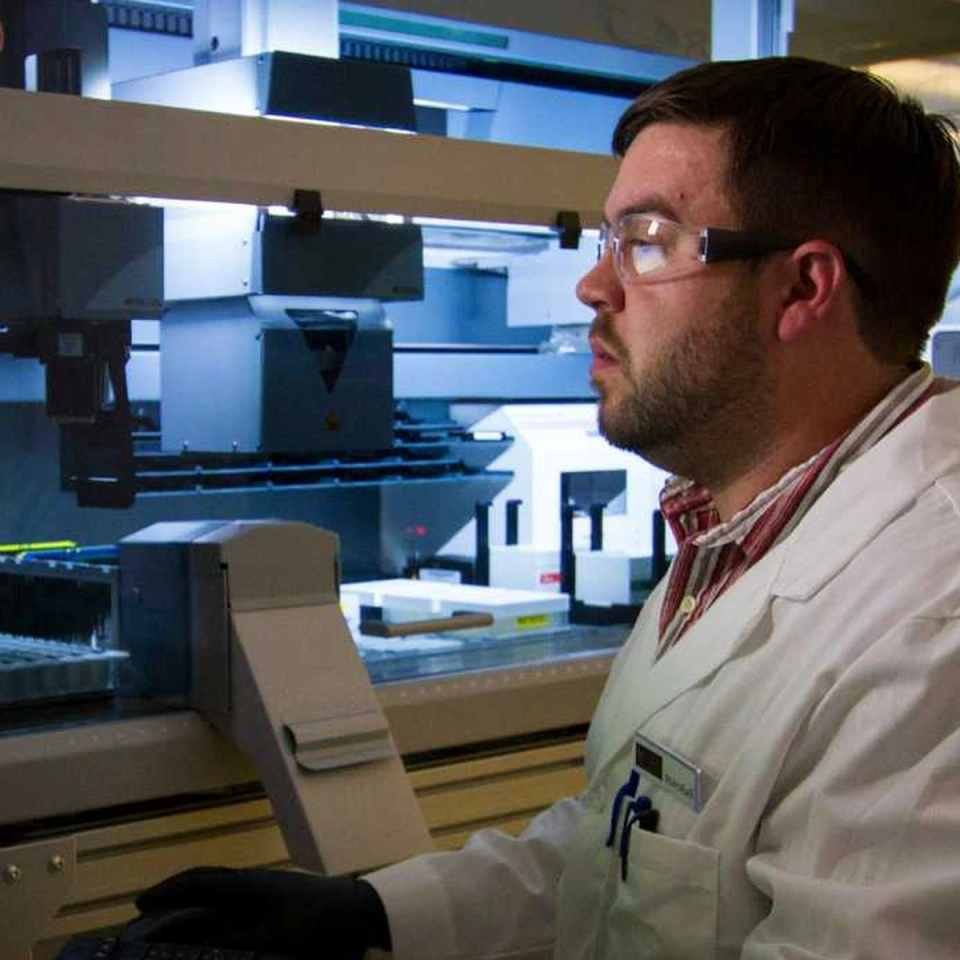
Biostatisticians

Did you know?

Most biostatistician positions in the US require at least a master's degree in biostatistics, statistics, or related field, with many employers preferring candidates with doctoral degrees.

At a Glance

Growth

Stable

Top Skill

Management of Material Resources

Key Responsibilities

  • Apply research or simulation results to extend biological theory or recommend new research projects.
  • Develop or implement data analysis algorithms.
  • Collect data through surveys or experimentation.
  • Analyze archival data, such as birth, death, and disease records.
  • Design or maintain databases of biological data.
  • Monitor clinical trials or experiments to ensure adherence to established procedures or to verify the quality of data collected.
  • Write research proposals or grant applications for submission to external bodies.
  • Design surveys to assess health issues.
  • Teach graduate or continuing education courses or seminars in biostatistics.
  • Plan or direct research studies related to life sciences.
  • Prepare statistical data for inclusion in reports to data monitoring committees, federal regulatory agencies, managers, or clients.
  • Determine project plans, timelines, or technical objectives for statistical aspects of biological research studies.
  • Analyze clinical or survey data, using statistical approaches such as longitudinal analysis, mixed-effect modeling, logistic regression analyses, and model-building techniques.
  • Draw conclusions or make predictions, based on data summaries or statistical analyses.
  • Calculate sample size requirements for clinical studies.
  • Review clinical or other medical research protocols and recommend appropriate statistical analyses.
  • Write detailed analysis plans and descriptions of analyses and findings for research protocols or reports.
  • Develop or use mathematical models to track changes in biological phenomena, such as the spread of infectious diseases.
  • Assign work to biostatistical assistants or programmers.
  • Read current literature, attend meetings or conferences, and talk with colleagues to keep abreast of methodological or conceptual developments in fields such as biostatistics, pharmacology, life sciences, and social sciences.
  • Prepare tables and graphs to present clinical data or results.
  • Prepare articles for publication or presentation at professional conferences.
  • Provide biostatistical consultation to clients or colleagues.
  • Design research studies in collaboration with physicians, life scientists, or other professionals.
  • Write program code to analyze data with statistical analysis software.

Career Considerations

Advanced Education Requirements

Most biostatistician positions in the US require at least a master's degree in biostatistics, statistics, or related field, with many employers preferring candidates with doctoral degrees.

Industry vs. Academic Career Paths

American biostatisticians can choose between higher-paying pharmaceutical industry roles focused on drug development or academic/government positions emphasizing research and public health policy.

Regulatory Knowledge Expectations

US biostatisticians must understand FDA guidelines and other federal regulatory frameworks that govern clinical trials and medical device approvals in the American healthcare system.

Want to dig deeper?

Talk to blinky to learn more.

Start chatting
BETA
New York

25 Kent Ave, Suite 401
Brooklyn, NY
11249


North Carolina

204 N Person
Street. Raleigh, NC
27601

Australia

Level 4/80
Wentworth Ave,
Surry Hills,
Sydney, 2010