Blasters
Overview
Blasters are skilled technicians who use controlled explosives to safely demolish buildings, clear rock for construction projects, and help with mining operations. They carefully measure blast holes, calculate the right amount of explosives needed, and use precise timing devices to control when and how explosions happen. This job requires specialized training and certification, along with strong attention to detail and safety protocols. Blasters work closely with construction teams and engineers, often using modern digital timing systems and safety monitoring equipment.
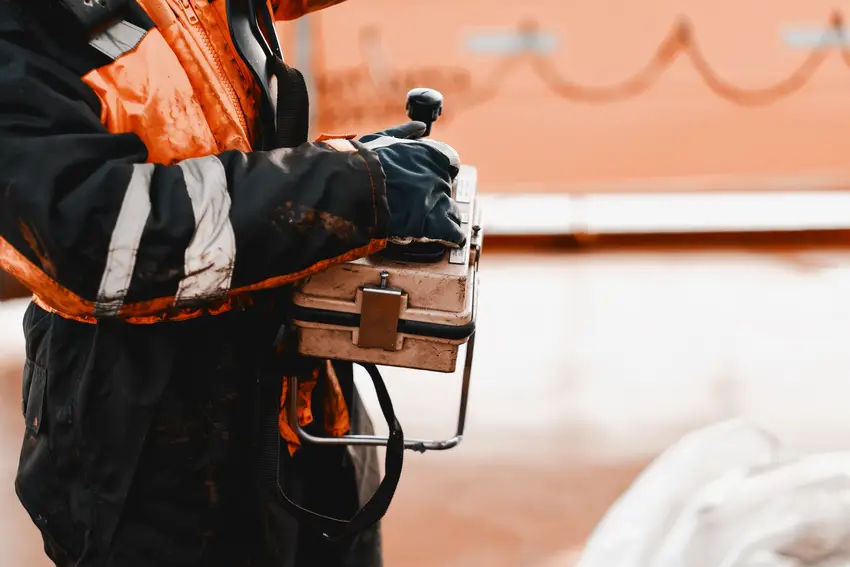
Did you know?
Explosives technicians must obtain proper federal licenses from the ATF and comply with strict OSHA, DOT, and other regulatory requirements for handling explosive materials.
At a Glance
Median Wage
$68,093.24 Avg/yr
Growth
Stable
Top Skill
Management of Material Resources
Key Responsibilities
- Operate machines to flush earth cuttings or to blow dust from holes.
- Measure depths of drilled blast holes, using weighted tape measures.
- Place explosive charges in holes or other spots; then detonate explosives to demolish structures or to loosen, remove, or displace earth, rock, or other materials.
- Tie specified lengths of delaying fuses into patterns in order to time sequences of explosions.
- Drive trucks to transport explosives and blasting equipment to blasting sites.
- Document geological formations encountered during work.
- Clean, gauge, and lubricate gun ports.
- Create and lay out designs for drill and blast patterns.
- Verify detonation of charges by observing control panels, or by listening for the sounds of blasts.
- Place safety cones around blast areas to alert other workers of danger zones, and signal workers as necessary to ensure that they clear blast sites prior to explosions.
- Signal crane operators to move equipment.
- Insert waterproof sealers, bullets, and/or powder charges into guns, and screw gun ports back into place.
- Set up and operate short-wave radio or field telephone equipment to transmit and receive blast information.
- Repair and service blasting, shooting, and automotive equipment, and electrical wiring and instruments, using hand tools.
- Move and store inventories of explosives, loaded perforating guns, and other materials, according to established safety procedures.
- Mark patterns, locations, and depths of charge holes for drilling, and issue drilling instructions.
- Lower perforating guns into wells, using hoists; then use measuring devices and instrument panels to position guns in correct positions for taking samples.
- Insert, pack, and pour explosives, such as dynamite, ammonium nitrate, black powder, or slurries into blast holes; then shovel drill cuttings, admit water into boreholes, and tamp material to compact charges.
- Light fuses, drop detonating devices into wells or boreholes, or activate firing devices with plungers, dials, or buttons, in order to set off single or multiple blasts.
- Compile and keep gun and explosives records in compliance with local and federal laws.
- Assemble and position equipment, explosives, and blasting caps in holes at specified depths, or load perforating guns or torpedoes with explosives.
- Connect electrical wire to primers, and cover charges or fill blast holes with clay, drill chips, sand, or other material.
- Lay primacord between rows of charged blast holes, and tie cord into main lines to form blast patterns.
- Set up and operate equipment such as hoists, jackhammers, and drills, in order to bore charge holes.
- Examine blast areas to determine amounts and kinds of explosive charges needed and to ensure that safety laws are observed.
- Cut specified lengths of primacord and attach primers to cord ends.
- Maintain inventory levels, ordering new supplies as necessary.
Career Considerations
Federal Licensing and Regulatory Compliance
Explosives technicians must obtain proper federal licenses from the ATF and comply with strict OSHA, DOT, and other regulatory requirements for handling explosive materials.
Security Clearance Requirements
Many positions require extensive background checks and security clearances, particularly for military, government, or defense contractor roles.
High-Risk Work Environment
The occupation involves significant physical danger requiring strict adherence to safety protocols, specialized training, and the ability to work under high-stress conditions.