Boilermakers
Boilermakers build, install, and repair large metal containers like boilers and tanks that hold liquids and gases in power plants, factories, and buildings. They read detailed blueprints, use advanced welding equipment including robotic welders, and work with hand and power tools to assemble these massive systems. The job requires precision and technical skills as they test systems for safety, fix leaks, and ensure everything works perfectly. Many boilermakers work in teams and travel to different job sites, combining hands-on craftsmanship with modern technology.
Did you know?
Boilermakers face significant safety risks and physical challenges working with heavy equipment, high temperatures, and hazardous materials in confined spaces.
At a glance
Typical average pay
$75,700 Avg/yr
Growth
Stable
Top skill
Operations Monitoring
Things to consider
Apprenticeship Training Requirements
Most boilermakers complete a 4-year apprenticeship program combining classroom instruction with on-the-job training, which is the standard pathway in the American trades.
Industry Demand and Job Stability
Employment opportunities are closely tied to the health of American manufacturing, power generation, and industrial sectors, with potential for both growth and cyclical downturns.
Key responsibilities
Inspect assembled vessels or individual components, such as tubes, fittings, valves, controls, or auxiliary mechanisms, to locate any defects.
Install manholes, handholes, taps, tubes, valves, gauges, or feedwater connections in drums of water tube boilers, using hand tools.
Clean pressure vessel equipment, using scrapers, wire brushes, and cleaning solvents.
Attach rigging and signal crane or hoist operators to lift heavy frame and plate sections or other parts into place.
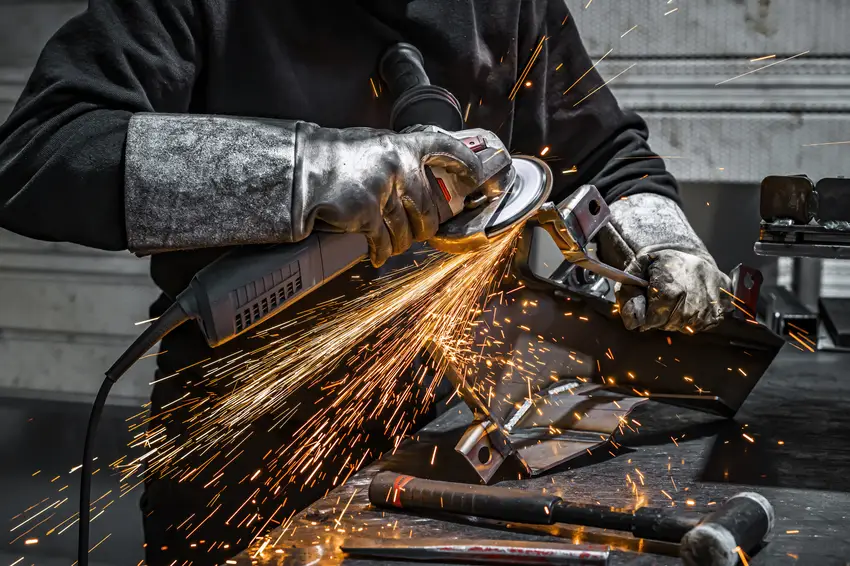
Shape seams, joints, or irregular edges of pressure vessel sections or structural parts to attain specified fit of parts, using cutting torches, hammers, files, or metalworking machines.