
Building Energy Auditors

Overview

Building Energy Auditors study how homes, schools, and other buildings use electricity, gas, and water, then design plans to reduce waste and lower costs. They inspect heating and cooling systems, lighting, insulation, and windows, use tools like watt meters, data loggers, and light meters, and analyze energy bills and utility rate charts to understand patterns of use. They also lead decisions about which upgrades—such as better insulation, high-efficiency furnaces, or smart controls—should be done first to save the most energy and money.
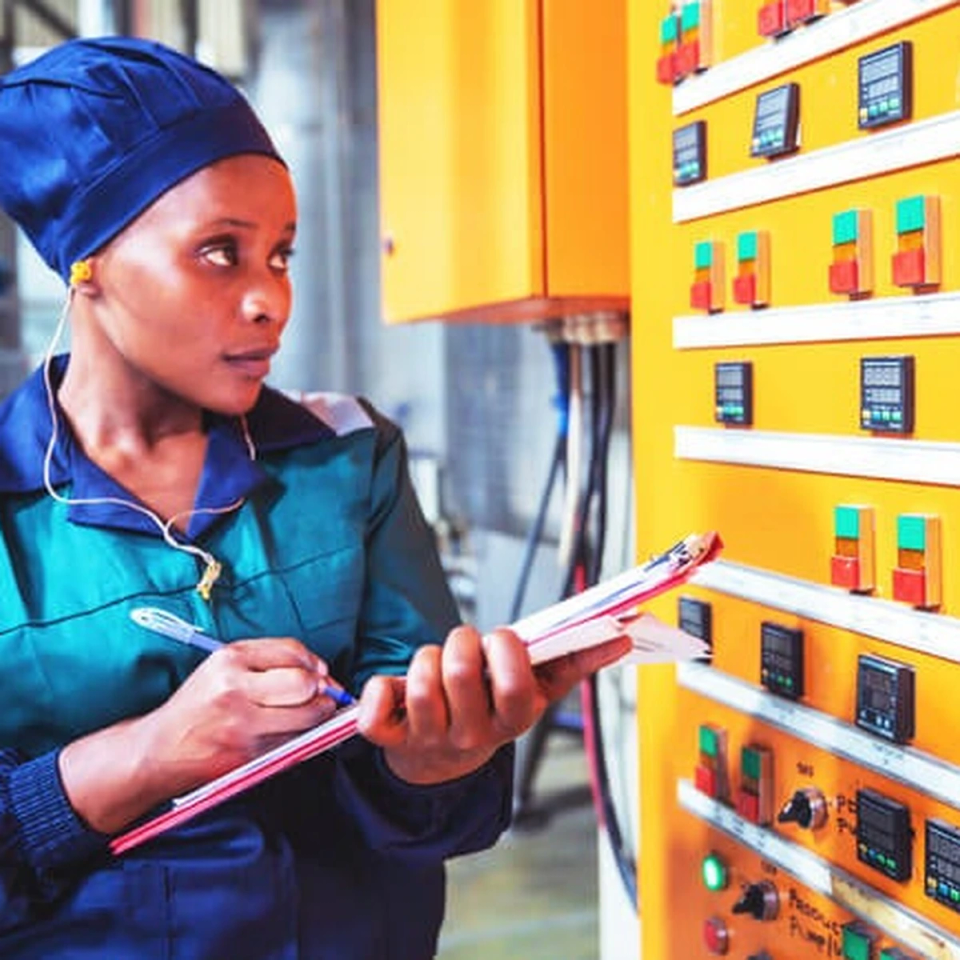
Building Energy Auditors

Did you know?

Energy auditors in the US typically need professional certifications from organizations like BPI (Building Performance Institute) or RESNET to meet industry standards and client requirements.

At a Glance

Growth

Stable

Top Skill

Installation

Key Responsibilities

  • Identify opportunities to improve the operation, maintenance, or energy efficiency of building or process systems.
  • Oversee installation of equipment such as water heater wraps, pipe insulation, weatherstripping, door sweeps, or low-flow showerheads to improve energy efficiency.
  • Collect and analyze field data related to energy usage.
  • Analyze energy bills, including utility rates or tariffs, to gather historical energy usage data.
  • Identify any health or safety issues related to planned weatherization projects.
  • Verify income eligibility of participants in publicly financed weatherization programs.
  • Perform tests such as blower-door tests to locate air leaks.
  • Examine commercial sites to determine the feasibility of installing equipment that allows building management systems to reduce electricity consumption during peak demand periods.
  • Determine patterns of building use to show annual or monthly needs for heating, cooling, lighting, or other energy needs.
  • Compare existing energy consumption levels to normative data.
  • Recommend energy-efficient technologies or alternate energy sources.
  • Quantify energy consumption to establish baselines for energy use or need.
  • Inspect newly installed energy-efficient equipment to ensure that it was installed properly and is performing according to specifications.
  • Analyze technical feasibility of energy-saving measures, using knowledge of engineering, energy production, energy use, construction, maintenance, system operation, or process systems.
  • Measure energy usage with devices such as data loggers, universal data recorders, light meters, sling psychrometers, psychrometric charts, flue gas analyzers, amp probes, watt meters, volt meters, thermometers, or utility meters.
  • Educate customers on energy efficiency or answer questions on topics such as the costs of running household appliances or the selection of energy-efficient appliances.
  • Inspect or evaluate building envelopes, mechanical systems, electrical systems, or process systems to determine the energy consumption of each system.
  • Prepare job specification sheets for home energy improvements, such as attic insulation, window retrofits, or heating system upgrades.
  • Calculate potential for energy savings.
  • Prepare audit reports containing energy analysis results or recommendations for energy cost savings.
  • Identify and prioritize energy-saving measures.

Career Considerations

Certification Requirements

Energy auditors in the US typically need professional certifications from organizations like BPI (Building Performance Institute) or RESNET to meet industry standards and client requirements.

Growing Market Demand

The profession benefits from increasing federal and state energy efficiency mandates, utility rebate programs, and corporate sustainability initiatives driving consistent job growth.

Technical Expertise Development

Success requires mastering specialized equipment like blower doors and thermal cameras, plus staying current with evolving building codes and energy efficiency technologies.

Want to dig deeper?

Talk to blinky to learn more.

Start chatting
BETA
New York

25 Kent Ave, Suite 401
Brooklyn, NY
11249


North Carolina

204 N Person
Street. Raleigh, NC
27601

Australia

Level 4/80
Wentworth Ave,
Surry Hills,
Sydney, 2010