Butchers and Meat Cutters
Butchers and meat cutters work in grocery stores, butcher shops, and meat processing facilities, using sharp knives and specialized equipment to cut, trim, and package different types of meat for customers. They handle everything from receiving fresh meat deliveries to creating custom cuts based on customer requests, while maintaining strict food safety and sanitation standards. This hands-on job requires good knife skills, attention to detail, and physical stamina, with many professionals learning through on-the-job training or culinary programs. Modern butchers often work closely with customers to provide cooking advice and collaborate with store teams to manage inventory and meet sales goals.
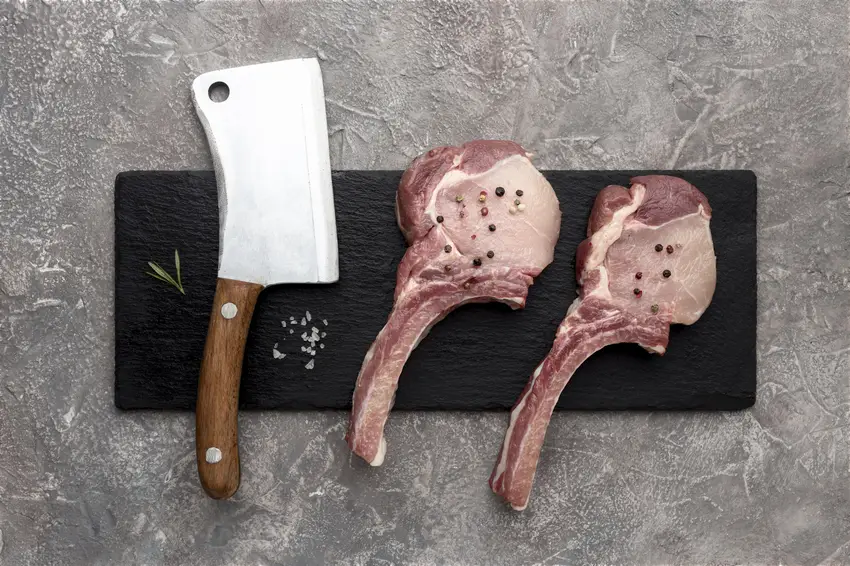
Did you know?
This occupation requires standing for long periods, lifting heavy meat products, and working with sharp knives and machinery, making physical fitness and adherence to safety protocols essential.
At a glance
Typical average pay
$39,900 Avg/yr
Growth
Stable
Top skill
Active Listening
Things to consider
Food Safety Certifications and Compliance
Meat preparers must obtain food handler certifications and comply with USDA regulations and HACCP standards, which are strictly enforced in the American food industry.
Career Advancement Opportunities
Experienced meat preparers can advance to supervisory roles, specialize in custom butchery, or potentially open their own meat processing businesses in the growing artisanal food market.
Key responsibilities
Cut, trim, bone, tie, and grind meats, such as beef, pork, poultry, and fish, to prepare in cooking form.
Cure, smoke, tenderize, and preserve meat.
Record quantity of meat received and issued to cooks or keep records of meat sales.
Negotiate with representatives from supply companies to determine order details.
Prepare special cuts of meat ordered by customers.