Cardiovascular Technologists and Technicians
Overview
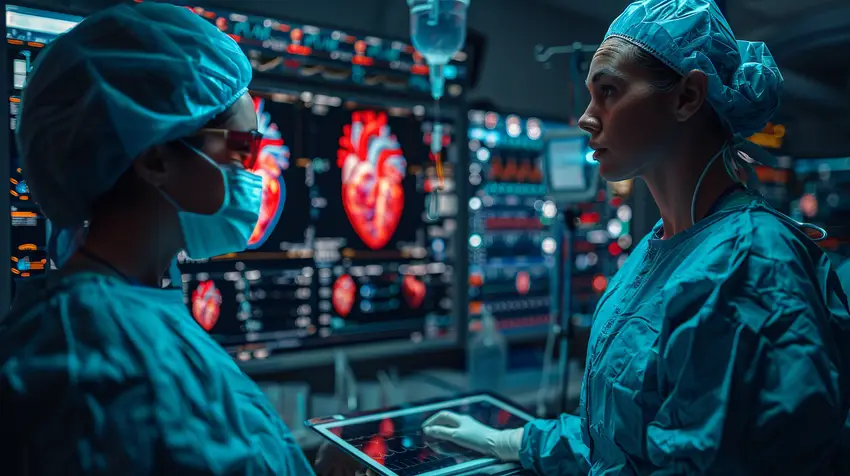
Cardiovascular technologists and technicians use high-tech medical equipment to help doctors diagnose heart problems and other cardiovascular conditions. You'll operate machines like EKG monitors and echocardiogram devices, work directly with patients to prepare them for tests, and monitor their heart rate and blood pressure during procedures. This job combines technical skills with patient care, requiring you to master sophisticated medical technology while collaborating closely with doctors and other healthcare professionals. Most positions require completing a specialized certificate or associate degree program in cardiovascular technology.
Did you know?
Cardiac Diagnostic Specialists must obtain specialized certifications from organizations like CCI or ARDMS to practice in most American healthcare facilities.
At a Glance
Median Wage
$72,266.27 Avg/yr
Growth
Stable
Top Skill
Management of Material Resources
Key Responsibilities
- Supervise or train other cardiology technologists or students.
- Compare measurements of heart wall thickness and chamber sizes to standard norms to identify abnormalities.
- Operate diagnostic imaging equipment to produce contrast enhanced radiographs of heart and cardiovascular system.
- Inject contrast medium into patients' blood vessels.
- Obtain and record patient identification, medical history, or test results.
- Maintain a proper sterile field during surgical procedures.
- Observe gauges, recorder, and video screens of data analysis system during imaging of cardiovascular system.
- Monitor patients' comfort and safety during tests, alerting physicians to abnormalities or changes in patient responses.
- Prepare and position patients for testing.
- Set up 24-hour Holter and event monitors, scan and interpret tapes, and report results to physicians.
- Monitor patients' blood pressure and heart rate using electrocardiogram (EKG) equipment during diagnostic or therapeutic procedures to notify the physician if something appears wrong.
- Check, test, and maintain cardiology equipment, making minor repairs when necessary, to ensure proper operation.
- Assist physicians in the diagnosis and treatment of cardiac or peripheral vascular treatments, such as implanting pacemakers or assisting with balloon angioplasties to treat blood vessel blockages.
- Conduct electrocardiogram (EKG), phonocardiogram, echocardiogram, stress testing, or other cardiovascular tests to record patients' cardiac activity, using specialized electronic test equipment, recording devices, or laboratory instruments.
- Adjust equipment and controls according to physicians' orders or established protocol.
- Assess cardiac physiology and calculate valve areas from blood flow velocity measurements.
- Attach electrodes to the patients' chests, arms, and legs, connect electrodes to leads from the electrocardiogram (EKG) machine, and operate the EKG machine to obtain a reading.
- Observe ultrasound display screen and listen to signals to record vascular information, such as blood pressure, limb volume changes, oxygen saturation, or cerebral circulation.
- Transcribe, type, and distribute reports of diagnostic procedures for interpretation by physician.
- Perform general administrative tasks, such as scheduling appointments or ordering supplies or equipment.
- Explain testing procedures to patients to obtain cooperation and reduce anxiety.
Career Considerations
Certification Requirements
Cardiac Diagnostic Specialists must obtain specialized certifications from organizations like CCI or ARDMS to practice in most American healthcare facilities.
Growing Job Market
The aging American population and increased prevalence of cardiovascular disease create strong demand for cardiac diagnostic professionals.
Technology Advancement
Professionals must continuously update their skills to keep pace with rapidly evolving cardiac imaging and diagnostic technologies in American healthcare.