Carpenter Helpers
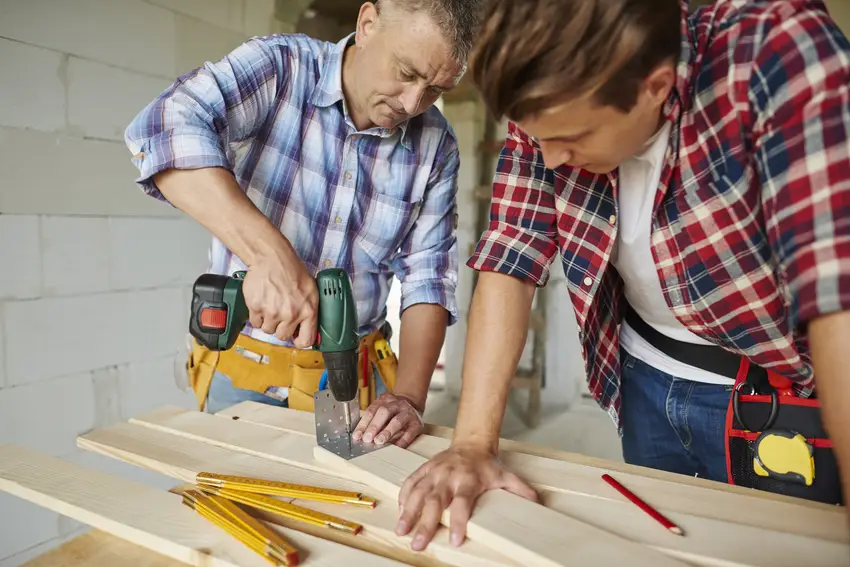
Carpenter helpers work alongside skilled carpenters to build and repair structures like houses, offices, and other buildings. You'll spend your days drilling holes, cutting lumber to size, cleaning work sites, and helping position materials for installation using both hand tools and power equipment. This hands-on job teaches valuable construction skills while working as part of a team, and many helpers use this experience as a stepping stone to become licensed carpenters. The work involves physical activity, problem-solving, and the satisfaction of seeing projects come together from start to finish.
Did you know?
This occupation requires significant physical stamina and adherence to strict OSHA safety regulations common in American construction sites.
At a glance
Typical average pay
$40,300 Avg/yr
Growth
Fast growing
Things to consider
Career Advancement Pathway
Helper positions typically serve as entry points to skilled carpentry trades, often leading to apprenticeships and higher-paying journeyman roles.
Job Market Stability
Employment prospects are closely tied to construction industry cycles and regional housing market conditions across different American states.
Key responsibilities
Clean work areas, machines, or equipment, to maintain a clean and safe job site.
Drill holes in timbers or lumber.
Cut and install insulating or sound-absorbing material.
Fasten timbers or lumber with glue, screws, pegs, or nails and install hardware.
Cut tile or linoleum to fit and spread adhesives on flooring for installation.