Chefs and Head Cooks
Overview
Chefs and Head Cooks are the creative leaders of restaurant kitchens who design menus, develop recipes, and manage teams of cooks to create amazing dining experiences. They use modern kitchen technology and food safety systems while coordinating with servers, managers, and suppliers in fast-paced, collaborative environments. This career combines creativity, leadership, and business skills, with many chefs starting through culinary school programs or apprenticeships. Success requires strong communication, time management, and the ability to work under pressure while maintaining high food quality standards.
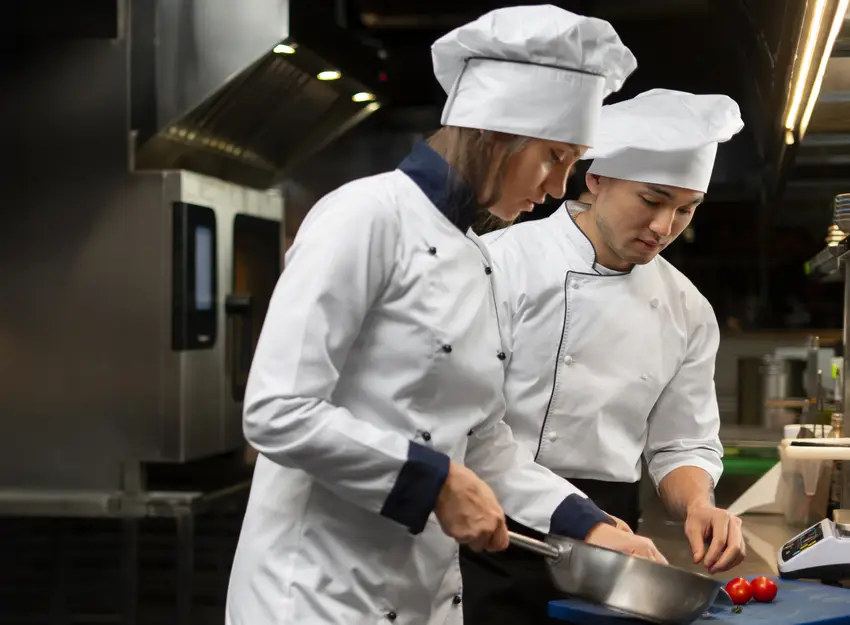
Did you know?
Chefs in America typically work long hours in high-pressure, hot kitchen environments that require physical stamina and stress management.
At a Glance
Median Wage
$59,368.04 Avg/yr
Growth
Fast Growing
Top Skill
Service Orientation
Key Responsibilities
- Check the quality of raw or cooked food products to ensure that standards are met.
- Arrange for equipment purchases or repairs.
- Instruct cooks or other workers in the preparation, cooking, garnishing, or presentation of food.
- Plan, direct, or supervise food preparation or cooking activities of multiple kitchens or restaurants in an establishment such as a restaurant chain, hospital, or hotel.
- Inspect supplies, equipment, or work areas to ensure conformance to established standards.
- Meet with customers to discuss menus for special occasions, such as weddings, parties, or banquets.
- Prepare and cook foods of all types, either on a regular basis or for special guests or functions.
- Demonstrate new cooking techniques or equipment to staff.
- Recruit and hire staff, such as cooks and other kitchen workers.
- Estimate amounts and costs of required supplies, such as food and ingredients.
- Supervise or coordinate activities of cooks or workers engaged in food preparation.
- Determine how food should be presented and create decorative food displays.
- Record production or operational data on specified forms.
- Check the quantity and quality of received products.
- Determine production schedules and staff requirements necessary to ensure timely delivery of services.
- Analyze recipes to assign prices to menu items, based on food, labor, and overhead costs.
- Collaborate with other personnel to plan and develop recipes or menus, taking into account such factors as seasonal availability of ingredients or the likely number of customers.
- Meet with sales representatives to negotiate prices or order supplies.
- Order or requisition food or other supplies needed to ensure efficient operation.
- Monitor sanitation practices to ensure that employees follow standards and regulations.
- Coordinate planning, budgeting, or purchasing for all the food operations within establishments such as clubs, hotels, or restaurant chains.
Career Considerations
Physical Demands and Work Environment
Chefs in America typically work long hours in high-pressure, hot kitchen environments that require physical stamina and stress management.
Culinary Education and Skill Development
Most successful American chefs benefit from formal culinary training or apprenticeships, along with continuous learning of new techniques and cuisines.
Career Advancement and Earning Potential
The American culinary industry offers diverse career paths from line cook to executive chef or restaurant owner, with earnings varying significantly based on location, establishment type, and experience level.