
Chemical Equipment Operators and Tenders

Overview

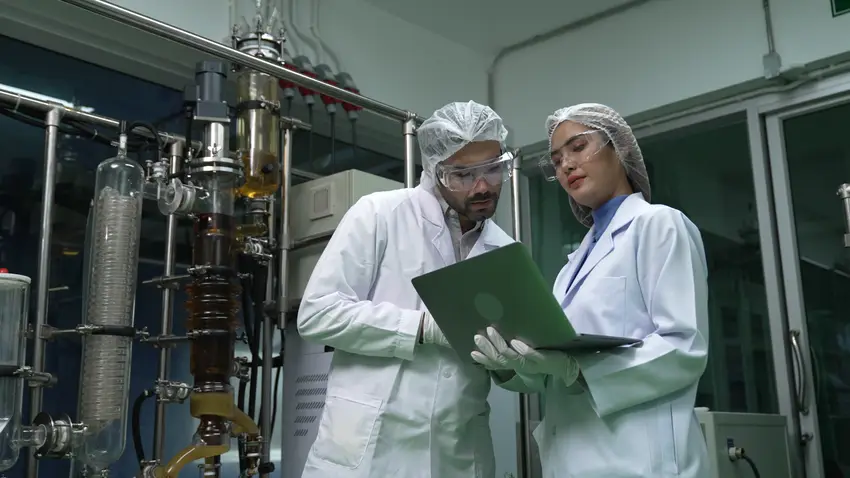
Chemical equipment operators run machines that mix and process chemicals to create everything from plastics and pharmaceuticals to food additives and cleaning products. You'll measure and blend chemical ingredients, monitor computer-controlled systems that regulate temperature and pressure, and test samples to ensure quality standards are met. This hands-on role combines chemistry knowledge with technical skills, and you'll work closely with engineers and quality control teams in modern manufacturing facilities that prioritize safety and precision.
Chemical Equipment Operators and Tenders

Did you know?

Chemical process technicians must maintain strict adherence to OSHA safety standards and EPA environmental regulations, as violations can result in significant penalties and workplace hazards.

At a Glance

Median Wage

$55,268.51 Avg/yr

Growth

Stable

Top Skill

Time Management

Key Responsibilities

  • Observe safety precautions to prevent fires or explosions.
  • Control or operate equipment in which chemical changes or reactions take place during the processing of industrial or consumer products.
  • Notify maintenance engineers of equipment malfunctions.
  • Dump or scoop prescribed solid, granular, or powdered materials into equipment.
  • Add treating or neutralizing agents to products, and pump products through filters or centrifuges to remove impurities or to precipitate products.
  • Monitor gauges, recording instruments, flowmeters, or products to ensure that specified conditions are maintained.
  • Inventory supplies received and consumed.
  • Draw samples of products at specified stages so that analyses can be performed.
  • Record operational data, such as temperatures, pressures, ingredients used, processing times, or test results.
  • Estimate materials required for production and manufacturing of products.
  • Open valves or start pumps, agitators, reactors, blowers, or automatic feed of materials.
  • Make minor repairs, lubricate, and maintain equipment, using hand tools.
  • Read plant specifications to determine products, ingredients, or prescribed modifications of plant procedures.
  • Inspect equipment or units to detect leaks or malfunctions, shutting equipment down, if necessary.
  • Observe and compare colors and consistencies of products to instrument readings and to laboratory and standard test results.
  • Patrol work areas to detect leaks or equipment malfunctions or to monitor operating conditions.
  • Implement appropriate industrial emergency response procedures.
  • Measure, weigh, and mix chemical ingredients, according to specifications.
  • Adjust controls to regulate temperature, pressure, feed, or flow of liquids or gases and times of prescribed reactions, according to knowledge of equipment and processes.
  • Test product samples for specific gravity, chemical characteristics, pH levels, concentrations, or viscosities, or send them to laboratories for testing.
  • Drain equipment, and pump water or other solutions through to flush and clean tanks or equipment.
  • Flush or clean equipment, using steam hoses or mechanical reamers.
  • Direct activities of workers assisting in control or verification of processes or in unloading of materials.

Career Considerations

Safety and Regulatory Compliance

Chemical process technicians must maintain strict adherence to OSHA safety standards and EPA environmental regulations, as violations can result in significant penalties and workplace hazards.

Educational Requirements and Advancement

Most positions require an associate degree in chemical technology or related field, with opportunities for advancement through additional certifications and continuing education programs.

Geographic Job Market Concentration

Employment opportunities are primarily concentrated in chemical manufacturing hubs like Texas Gulf Coast, Louisiana, and the Midwest, often requiring relocation for optimal career prospects.

Want to dig deeper?

Talk to blinky to learn more.

Start chatting
BETA
New York

25 Kent Ave, Suite 401
Brooklyn, NY
11249


North Carolina

204 N Person
Street. Raleigh, NC
27601

Australia

Level 4/80
Wentworth Ave,
Surry Hills,
Sydney, 2010