
Chemical Processing Equipment Operators

Overview

Chemical processing equipment operators run specialized machines that separate, filter, and refine different materials like liquids, gases, and solids to create pure products. You'll test samples using high-tech instruments, monitor computer systems that track temperature and pressure, and keep detailed digital records of production. This hands-on job combines science and technology, requiring attention to detail and problem-solving skills. Many operators work in modern facilities across industries like food processing, pharmaceuticals, and manufacturing, often with flexible schedules and opportunities for advancement.
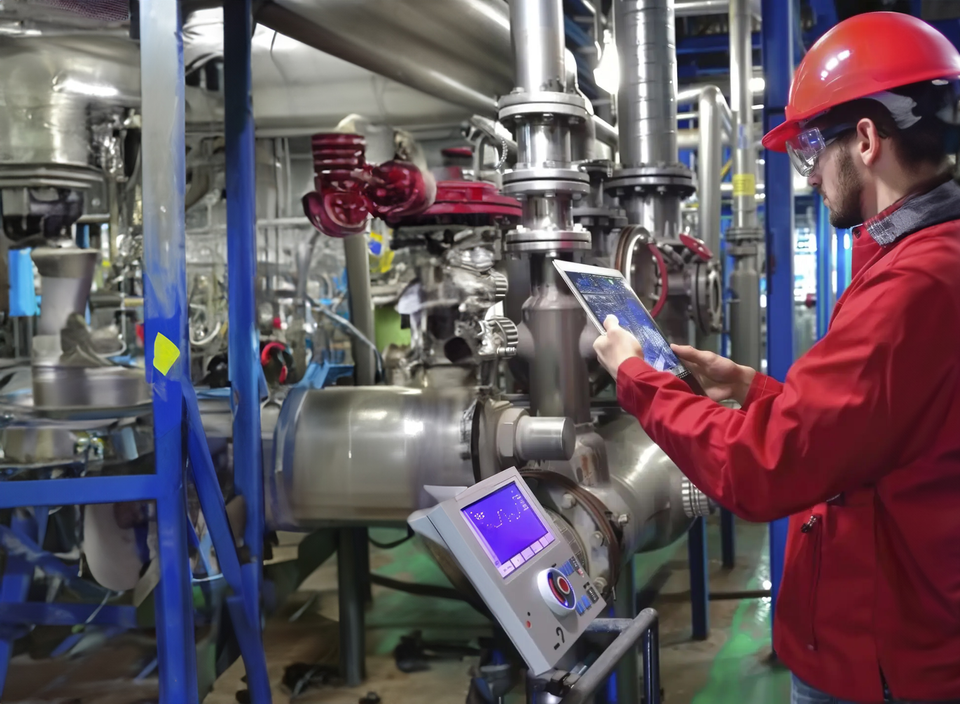
Chemical Processing Equipment Operators

Did you know?

Machine operators must strictly adhere to Occupational Safety and Health Administration (OSHA) regulations and maintain comprehensive safety protocols to prevent workplace injuries in American manufacturing environments.

At a Glance

Median Wage

$49,995.29 Avg/yr

Growth

Stable

Top Skill

Mathematics

Key Responsibilities

  • Examine samples to verify qualities such as clarity, cleanliness, consistency, dryness, or texture.
  • Inspect machines or equipment for hazards, operating efficiency, malfunctions, wear, or leaks.
  • Test samples to determine viscosity, acidity, specific gravity, or degree of concentration, using test equipment such as viscometers, pH meters, or hydrometers.
  • Install, maintain, or repair hoses, pumps, filters, or screens to maintain processing equipment, using hand tools.
  • Dump, pour, or load specified amounts of refined or unrefined materials into equipment or containers for further processing or storage.
  • Clean or sterilize tanks, screens, inflow pipes, production areas, or equipment, using hoses, brushes, scrapers, or chemical solutions.
  • Maintain logs of instrument readings, test results, or shift production for entry in computer databases.
  • Monitor material flow or instruments, such as temperature or pressure gauges, indicators, or meters, to ensure optimal processing conditions.
  • Turn valves to pump sterilizing solutions or rinse water through pipes or equipment or to spray vats with atomizers.
  • Set up or adjust machine controls to regulate conditions such as material flow, temperature, or pressure.
  • Start agitators, shakers, conveyors, pumps, or centrifuge machines.
  • Measure or weigh materials to be refined, mixed, transferred, stored, or otherwise processed.
  • Communicate processing instructions to other workers.
  • Collect samples of materials or products for laboratory analysis.
  • Operate machines to process materials in compliance with applicable safety, energy, or environmental regulations.
  • Assemble fittings, valves, bowls, plates, disks, impeller shafts, or other parts to prepare equipment for operation.
  • Remove clogs, defects, or impurities from machines, tanks, conveyors, screens, or other processing equipment.
  • Turn valves or move controls to admit, drain, separate, filter, clarify, mix, or transfer materials.
  • Connect pipes between vats and processing equipment.
  • Remove full containers from discharge outlets and replace them with empty containers.

Career Considerations

Safety and OSHA Compliance

Machine operators must strictly adhere to Occupational Safety and Health Administration (OSHA) regulations and maintain comprehensive safety protocols to prevent workplace injuries in American manufacturing environments.

Continuous Technical Skills Development

Staying current with evolving automation technologies, computerized systems, and advanced machinery is essential for career advancement and job security in the competitive American manufacturing sector.

Physical Demands and Ergonomics

The role requires physical stamina for extended standing, lifting, and repetitive motions, making attention to ergonomic practices crucial for long-term career sustainability.

Want to dig deeper?

Talk to blinky to learn more.

Start chatting
BETA
New York

25 Kent Ave, Suite 401
Brooklyn, NY
11249


North Carolina

204 N Person
Street. Raleigh, NC
27601

Australia

Level 4/80
Wentworth Ave,
Surry Hills,
Sydney, 2010