Chemical Technicians
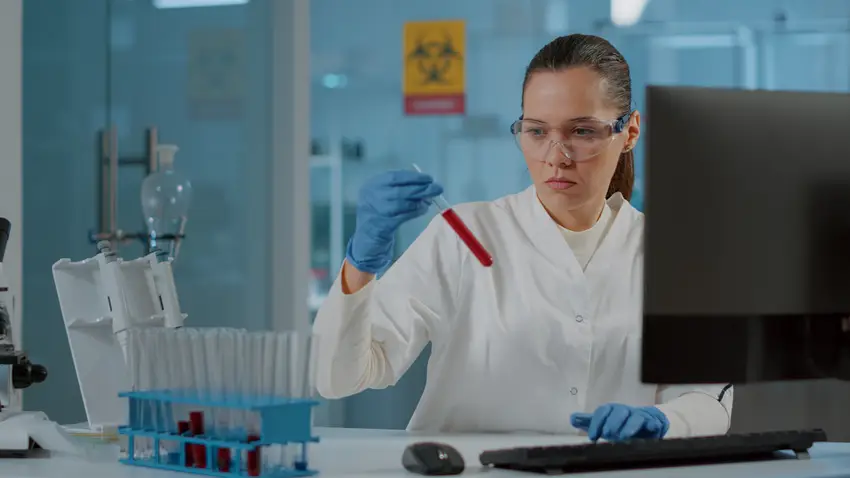
Chemical technicians work alongside scientists in laboratories to analyze materials and test products using advanced instruments and equipment. They set up experiments, monitor chemical processes, and ensure products meet quality standards by conducting various tests and analyses. Using modern laboratory technology and data analysis software, they prepare detailed reports and charts to share their findings with research teams. This career offers opportunities to work in diverse industries like pharmaceuticals, manufacturing, or environmental science, often in collaborative lab environments that blend hands-on experimentation with digital data management.
Did you know?
Most positions require an associate degree in chemistry or related field, with some employers preferring additional certifications from organizations like the American Chemical Society.
At a glance
Typical average pay
$55,800 Avg/yr
Growth
Fast growing
Top skill
Science
Things to consider
Safety Compliance and Regulations
Chemical technicians must strictly adhere to OSHA safety standards and EPA regulations, requiring ongoing training in hazardous material handling and laboratory safety protocols.
Career Advancement Opportunities
Experienced technicians can advance to supervisory roles, quality control positions, or specialize in areas like environmental testing or pharmaceutical development within America's robust chemical industry.
Key responsibilities
Maintain, clean, or sterilize laboratory instruments or equipment.
Design or fabricate experimental apparatus to develop new products or processes.
Develop new chemical engineering processes or production techniques.
Conduct chemical or physical laboratory tests to assist scientists in making qualitative or quantitative analyses of solids, liquids, or gaseous materials.
Order and inventory materials to maintain supplies.