Choreographers
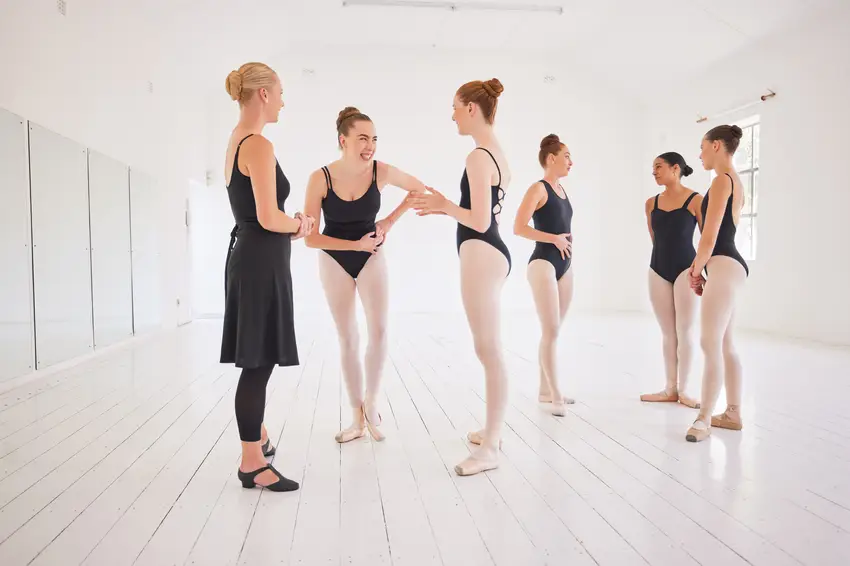
Choreographers create dance performances that tell stories and express emotions through movement, working with various styles like ballet, hip-hop, contemporary, and jazz. They sequence dance moves, select music, audition and teach dancers, and collaborate with costume designers and lighting technicians to bring their creative vision to life. Using digital music software and video technology, they can experiment with different combinations and document their work. Many choreographers start by training in multiple dance styles and may pursue degrees in dance, theater, or performing arts.
Did you know?
The American dance industry is extremely competitive, requiring extensive networking, continuous skill development, and often relocation to major entertainment hubs like New York or Los Angeles.
At a glance
Typical average pay
$51,000 Avg/yr
Growth
Fast growing
Top skill
Instructing
Things to consider
Irregular Income Patterns
Most choreographers work on a project basis with inconsistent earnings, making financial planning and having multiple income streams essential for career sustainability.
Physical Demands and Career Longevity
The physically demanding nature of dance requires choreographers to plan for career transitions, often moving into teaching, directing, or studio management as they age.
Key responsibilities
Teach students, dancers, and other performers about rhythm and interpretive movement.
Record dance movements and their technical aspects, using a technical understanding of the patterns and formations of choreography.
Assess students' dancing abilities to determine where improvement or change is needed.
Choose the music, sound effects, or spoken narrative to accompany a dance.
Design dances for individual dancers, dance companies, musical theatre, opera, fashion shows, film, television productions, and special events, and for dancers ranging from beginners to professionals.