
Coating Machine Operators

Overview

Coating machine operators run specialized equipment that applies protective or decorative finishes to all kinds of products, from smartphones and car parts to furniture and glassware. You'll use automated mixing systems to prepare the perfect paint or coating formula, then monitor high-tech machines that spray, dip, or brush these materials onto products with incredible precision. This job requires strong attention to detail as you constantly check gauges, adjust controls, and inspect the final quality to ensure every item meets exact standards. Many operators work in modern manufacturing facilities where teamwork and problem-solving skills are essential for keeping production running smoothly.
Coating Machine Operators

Did you know?

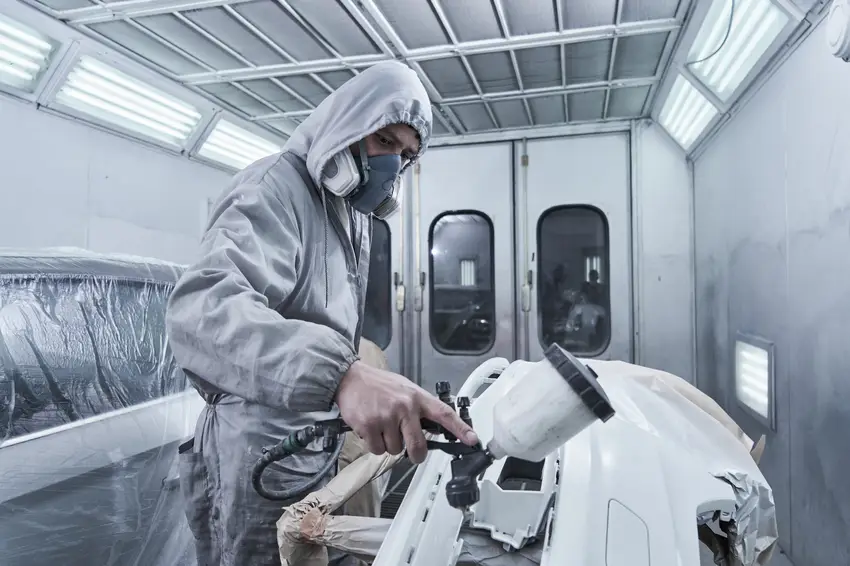
Coating technicians must follow strict OSHA safety protocols and use protective equipment due to exposure to potentially hazardous chemicals and fumes.

At a Glance

Median Wage

$48,524.80 Avg/yr

Growth

Stable

Top Skill

Active Learning

Key Responsibilities

  • Apply primer over any repairs made to surfaces.
  • Use brush to hand-paint areas in need of retouching or unreachable with a spray gun.
  • Dispose of hazardous waste in an appropriate manner.
  • Set up portable equipment, such as ventilators, exhaust units, ladders, or scaffolding.
  • Start and stop operation of machines, using levers or buttons.
  • Remove materials, parts, or workpieces from painting or coating machines, using hand tools.
  • Operate lifting or moving devices to move equipment or materials to access areas to be painted.
  • Remove grease, dirt, paint, or rust from surfaces in preparation for paint application, using abrasives, solvents, brushes, blowtorches, washing tanks, or sandblasters.
  • Determine paint flow, viscosity, and coating quality by performing visual inspections, or by using viscometers.
  • Sand and apply sealer to properly dried finish.
  • Fill small dents or scratches with body fillers and smooth surfaces to prepare for painting.
  • Apply rust-resistant undercoats and caulk and seal seams.
  • Clean equipment and work areas.
  • Record operational data on specified forms.
  • Adjust controls on infrared ovens, heat lamps, portable ventilators, or exhaust units to speed the drying of surfaces between coats.
  • Weigh or measure chemicals, coatings, or paints before adding them to machines.
  • Monitor painting operations to identify flaws, such as blisters or streaks, and correct their causes.
  • Turn dials, handwheels, valves, or switches to regulate conveyor speeds, machine temperature, air pressure and circulation, and the flow or spray of coatings or paints.
  • Operate auxiliary machines or equipment used in coating or painting processes.
  • Mix paints to match color specifications or original colors, stirring or thinning paints, using spatulas or power mixing equipment.
  • Fill hoppers, reservoirs, troughs, or pans with material used to coat, paint, or spray, using conveyors or pails.
  • Thread or feed items or products through or around machine rollers and dryers.
  • Spray prepared surfaces with specified amounts of primers and decorative or finish coatings.
  • Disassemble, clean, and reassemble sprayers or power equipment, using solvents, wire brushes, and cloths.
  • Examine, measure, weigh, or test sample products to ensure conformance to specifications.
  • Hold or position spray guns to direct spray onto articles.
  • Observe machine gauges and equipment operation to detect defects or deviations from standards, and make adjustments as necessary.
  • Attach hoses or nozzles to machines, using wrenches and pliers, and make adjustments to obtain the proper dispersion of spray.
  • Buff and wax the finished paintwork.

Career Considerations

Safety and Health Requirements

Coating technicians must follow strict OSHA safety protocols and use protective equipment due to exposure to potentially hazardous chemicals and fumes.

Technical Certification and Training

Many employers require specialized training or certification in coating application techniques and equipment operation, often available through vocational schools or apprenticeship programs.

Industry Demand and Stability

Employment opportunities are closely tied to manufacturing and construction sectors, with steady demand in automotive, aerospace, and industrial equipment industries across the United States.

Want to dig deeper?

Talk to blinky to learn more.

Start chatting
BETA
New York

25 Kent Ave, Suite 401
Brooklyn, NY
11249


North Carolina

204 N Person
Street. Raleigh, NC
27601

Australia

Level 4/80
Wentworth Ave,
Surry Hills,
Sydney, 2010