Coil Winders, Tapers, and Finishers
Coil winders create the wire coils that power electrical devices like motors, transformers, and generators by operating specialized machines and using precision hand tools. They wind copper wire into specific patterns, test components with measuring equipment to ensure quality, and work with materials like insulation and wire leads. This hands-on manufacturing job requires attention to detail, mechanical skills, and the ability to read technical specifications. Many workers learn through on-the-job training or technical programs, and they often collaborate in team-based manufacturing environments.
Did you know?
Coil technicians must obtain EPA Section 608 certification to legally handle refrigerants, which is mandatory for most HVAC work in the United States.
At a glance
Typical average pay
$49,800 Avg/yr
Growth
Stable
Top skill
Operations Monitoring
Things to consider
Physical Job Demands
The role requires significant physical stamina as technicians frequently work in cramped spaces, lift heavy equipment, and are exposed to chemicals and varying temperatures.
Seasonal Work Fluctuations
Employment and income can vary significantly with seasonal demand, as peak work periods typically occur during extreme weather months when HVAC systems are most heavily used.
Key responsibilities
Select and load materials such as workpieces, objects, and machine parts onto equipment used in coiling processes.
Disassemble and assemble motors, and repair and maintain electrical components and machinery parts, using hand tools.
Apply solutions or paints to wired electrical components, using hand tools, and bake components.
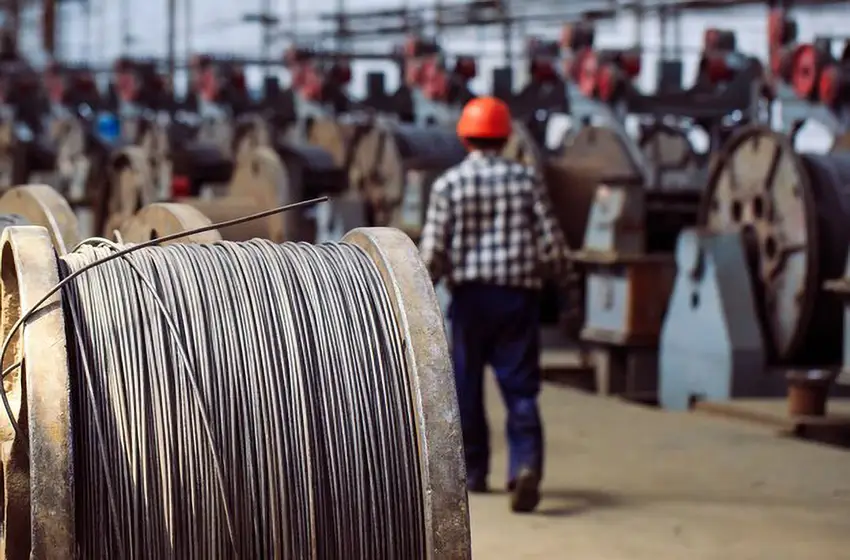
Operate or tend wire-coiling machines to wind wire coils used in electrical components such as resistors and transformers, and in electrical equipment and instruments such as bobbins and generators.
Review work orders and specifications to determine materials needed and types of parts to be processed.