
Community Health Workers

Overview

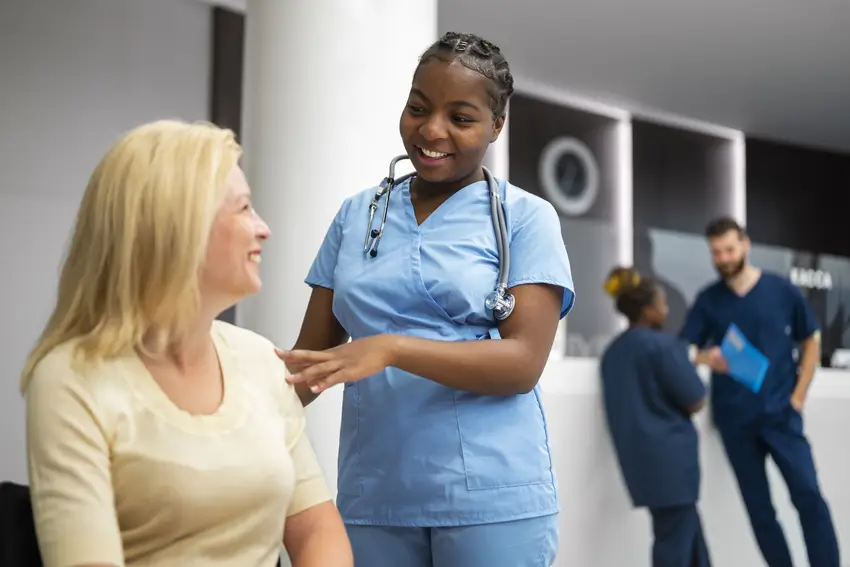
Community Health Workers serve as bridges between their communities and healthcare systems, helping people access the care they need. They educate residents about important health services like cancer screenings, provide basic health checks, and collect data to identify what their community needs most. Using mobile apps and digital tools, they conduct outreach programs and advocate for individuals who face barriers to getting healthcare. This career combines people skills with health knowledge and often requires certification programs or associate degrees in health-related fields.
Community Health Workers

Did you know?

Certification and training requirements for Community Health Workers vary significantly across different states, requiring research into local regulations and credentialing processes.

At a Glance

Median Wage

$50,774.90 Avg/yr

Growth

Fast Growing

Top Skill

Repairing

Key Responsibilities

  • Advise clients or community groups on issues related to improving general health, such as diet or exercise.
  • Develop plans or formal contracts for individuals, families, or community groups to improve overall health.
  • Advise clients or community groups on issues related to diagnostic screenings, such as breast cancer screening, pap smears, glaucoma tests, or diabetes screenings.
  • Monitor nutrition of children, elderly, or other high-risk groups.
  • Transport or accompany clients to scheduled health appointments or referral sites.
  • Advocate for individual or community health needs with government agencies or health service providers.
  • Advise clients or community groups on issues related to social or intellectual development, such as education, childcare, or problem solving.
  • Refer community members to needed health services.
  • Perform basic diagnostic procedures, such as blood pressure screening, breast cancer screening, or communicable disease screening.
  • Distribute flyers, brochures, or other informational or educational documents to inform members of a targeted community.
  • Conduct home visits for pregnant women, newborn infants, or other high-risk individuals to monitor their progress or assess their needs.
  • Advise clients or community groups on issues related to sanitation or hygiene, such as flossing or hand washing.
  • Advise clients or community groups to ensure parental understanding of the importance of childhood immunizations and how to access immunization services.
  • Identify or contact members of high-risk or otherwise targeted groups, such as members of minority populations, low-income populations, or pregnant women.
  • Provide basic health services, such as first aid.
  • Interpret, translate, or provide cultural mediation related to health services or information for community members.
  • Advise clients or community groups on issues related to risk or prevention of conditions, such as lead poisoning, human immunodeficiency virus (HIV), prenatal substance abuse, or domestic violence.
  • Report incidences of child or elder abuse, neglect, or threats of harm to authorities, as required.
  • Provide feedback to health service providers regarding improving service accessibility or acceptability.
  • Teach classes or otherwise disseminate medical or dental health information to school groups, community groups, or targeted families or individuals, in a manner consistent with cultural norms.
  • Collect information from individuals to compile vital statistics about the general health of community members.
  • Contact clients in person, by phone, or in writing to ensure they have completed required or recommended actions.
  • Administer immunizations or other basic preventive treatments.
  • Identify the particular health care needs of individuals in a community or target area.
  • Advise clients or community groups on issues related to self-care, such as diabetes management.
  • Assist families to apply for social services, including Medicaid or Women, Infants, and Children (WIC).
  • Attend community meetings or health fairs to understand community issues or build relationships with community members.
  • Maintain updated client records with plans, notes, appropriate forms, or related information.

Career Considerations

State-Specific Certification Requirements

Certification and training requirements for Community Health Workers vary significantly across different states, requiring research into local regulations and credentialing processes.

Grant-Dependent Funding

Many Community Health Worker positions rely on federal, state, or foundation grants, which can create job instability and require skills in grant writing or working with funded programs.

Cultural Competency Demands

Success requires deep understanding of diverse American communities, including language skills, cultural sensitivity, and ability to navigate health disparities across different populations.

Want to dig deeper?

Talk to blinky to learn more.

Start chatting
BETA
New York

25 Kent Ave, Suite 401
Brooklyn, NY
11249


North Carolina

204 N Person
Street. Raleigh, NC
27601

Australia

Level 4/80
Wentworth Ave,
Surry Hills,
Sydney, 2010