
Control and Valve Installers and Repairers

Overview

This job involves installing, fixing, and maintaining the mechanical devices that control gas, water, and electrical systems in buildings and infrastructure. Workers use both traditional hand tools and modern digital equipment to test meters, adjust regulators, and repair valves that keep utilities flowing safely to homes and businesses. The work combines hands-on technical skills with data recording using handheld computers and requires attention to detail to ensure all systems meet safety specifications. This career path typically requires technical training or an apprenticeship and offers stable employment in the essential utilities sector.
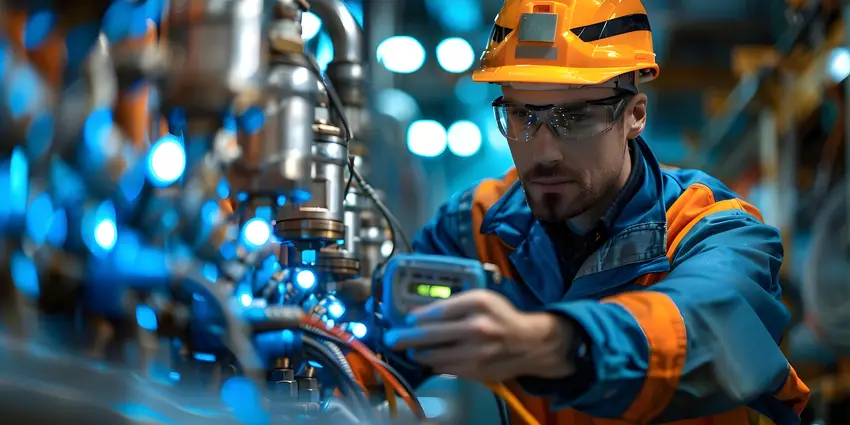
Control and Valve Installers and Repairers

Did you know?

Most employers require specialized training in control systems, valve technologies, or completion of apprenticeship programs to ensure competency in complex industrial equipment.

At a Glance

Median Wage

$76,974.49 Avg/yr

Growth

Stable

Top Skill

Management of Material Resources

Key Responsibilities

  • Clean internal compartments and moving parts, using rags and cleaning compounds.
  • Turn meters on or off to establish or close service.
  • Repair electric meters and components, such as transformers and relays, and replace metering devices, dial glasses, and faulty or incorrect wiring, using hand tools.
  • Trace and tag meters or house lines.
  • Cut seats to receive new orifices, tap inspection ports, and perform other repairs to salvage usable materials, using hand tools and machine tools.
  • Investigate instances of illegal tapping into service lines.
  • Mount and install meters and other electric equipment such as time clocks, transformers, and circuit breakers, using electricians' hand tools.
  • Lubricate wearing surfaces of mechanical parts, using oils or other lubricants.
  • Make adjustments to meter components, such as setscrews or timing mechanisms, so that they conform to specifications.
  • Attach air hoses to meter inlets, plug outlets, and observe gauges for pressure losses to test internal seams for leaks.
  • Record maintenance information, including test results, material usage, and repairs made.
  • Dismantle meters, and replace or adjust defective parts such as cases, shafts, gears, disks, and recording mechanisms, using soldering irons and hand tools.
  • Install, inspect and test electric meters, relays, and power sources to detect causes of malfunctions and inaccuracies, using hand tools and testing equipment.
  • Disassemble and repair mechanical control devices or valves, such as regulators, thermostats, or hydrants, using power tools, hand tools, and cutting torches.
  • Advise customers on proper installation of valves or regulators and related equipment.
  • Calibrate instrumentation, such as meters, gauges, and regulators, for pressure, temperature, flow, and level.
  • Shut off service and notify repair crews when major repairs are required, such as the replacement of underground pipes or wiring.
  • Measure tolerances of assembled and salvageable parts for conformance to standards or specifications, using gauges, micrometers, and calipers.
  • Vary air pressure flowing into regulators and turn handles to assess functioning of valves and pistons.
  • Install regulators and related equipment such as gas meters, odorization units, and gas pressure telemetering equipment.
  • Connect regulators to test stands, and turn screw adjustments until gauges indicate that inlet and outlet pressures meet specifications.
  • Replace defective parts, such as bellows, range springs, and toggle switches, and reassemble units according to blueprints, using cam presses and hand tools.
  • Test valves and regulators for leaks and accurate temperature and pressure settings, using precision testing equipment.
  • Examine valves or mechanical control device parts for defects, dents, or loose attachments, and mark malfunctioning areas of defective units.
  • Clean plant growth, scale, paint, soil, or rust from meter housings, using wire brushes, scrapers, buffers, sandblasters, or cleaning compounds.
  • Record meter readings and installation data on meter cards, work orders, or field service orders, or enter data into hand-held computers.
  • Connect hoses from provers to meter inlets and outlets, and raise prover bells until prover gauges register zero.
  • Splice and connect cables from meters or current transformers to pull boxes or switchboards, using hand tools.
  • Turn valves to allow measured amounts of air or gas to pass through meters at specified flow rates.
  • Repair leaks in valve seats or bellows of automotive heater thermostats, using soft solder, flux, and acetylene torches.
  • Disconnect or remove defective or unauthorized meters, using hand tools.
  • Report hazardous field situations and damaged or missing meters.

Career Considerations

Technical Certification Requirements

Most employers require specialized training in control systems, valve technologies, or completion of apprenticeship programs to ensure competency in complex industrial equipment.

Safety Compliance and OSHA Standards

Workers must maintain strict adherence to occupational safety regulations and industry-specific protocols due to potential exposure to hazardous materials and high-pressure systems.

Industry Demand and Job Stability

The occupation offers steady employment opportunities driven by ongoing infrastructure maintenance needs and growth in manufacturing, utilities, and energy sectors.

Want to dig deeper?

Talk to blinky to learn more.

Start chatting
BETA
New York

25 Kent Ave, Suite 401
Brooklyn, NY
11249


North Carolina

204 N Person
Street. Raleigh, NC
27601

Australia

Level 4/80
Wentworth Ave,
Surry Hills,
Sydney, 2010