Coroner Investigators
Coroner Investigators lead official investigations into sudden, violent, or unexplained deaths to determine how and why a person died. They visit death scenes, document evidence, supervise autopsies and lab tests (such as toxicology screens), and carefully review medical records and witness statements before making an official ruling on the cause and manner of death. They also complete legal documents like death certificates, coordinate with police and public health agencies, and communicate sensitive information and next steps to families with professionalism and care.
Did you know?
Educational requirements for coroners differ significantly across American jurisdictions, with some requiring medical degrees while others only need high school education and on-the-job training.
At a glance
Typical average pay
$76,500 Avg/yr
Growth
Stable
Top skill
Critical Thinking
Things to consider
Electoral Politics
Many coroner positions in the United States are elected offices, requiring candidates to engage in political campaigns and maintain public support to secure and retain their positions.
Emotional Resilience
The role demands strong psychological resilience as coroners regularly encounter traumatic death scenes, grieving families, and must make difficult determinations about cause of death.
Key responsibilities
Complete reports and forms required to finalize cases.
Witness and certify deaths that are the result of a judicial order.
Interview persons present at death scenes to obtain information useful in determining the manner of death.
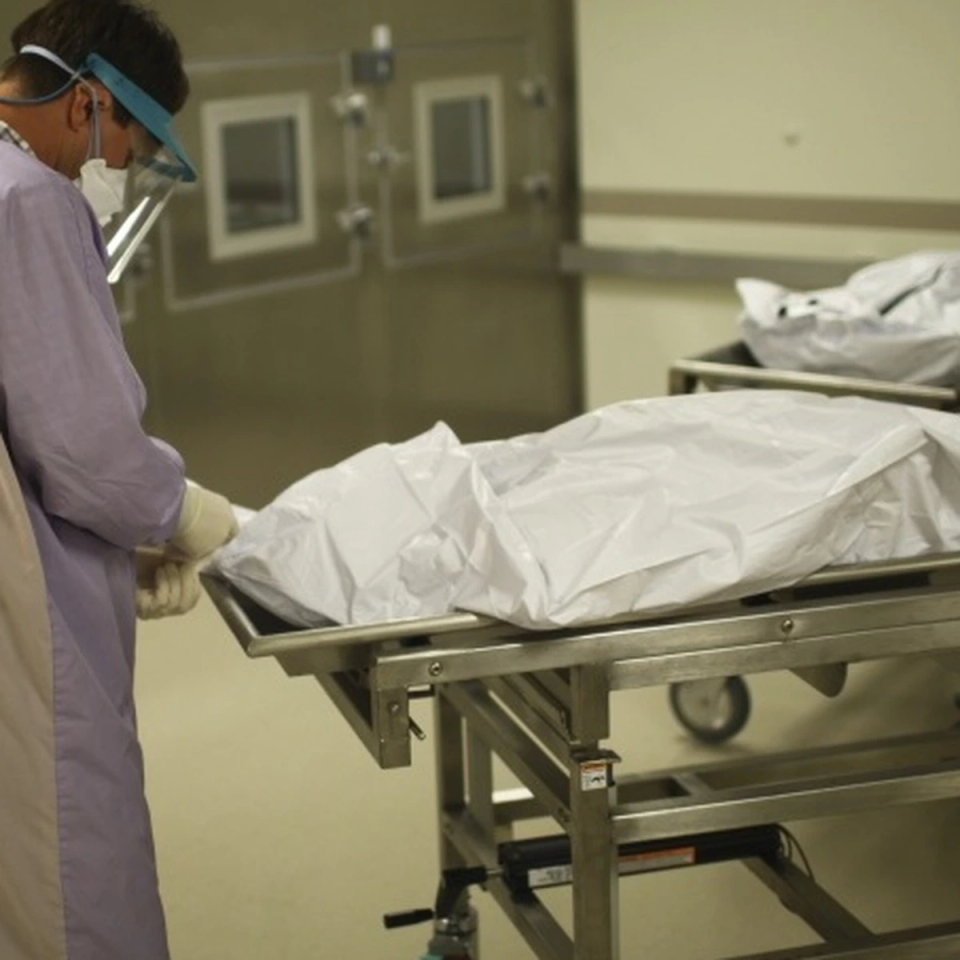
Remove or supervise removal of bodies from death scenes, using the proper equipment and supplies, and arrange for transportation to morgues.
Direct activities of workers conducting autopsies, performing pathological and toxicological analyses, and preparing documents for permanent records.