
Correctional Officers and Jailers

Overview

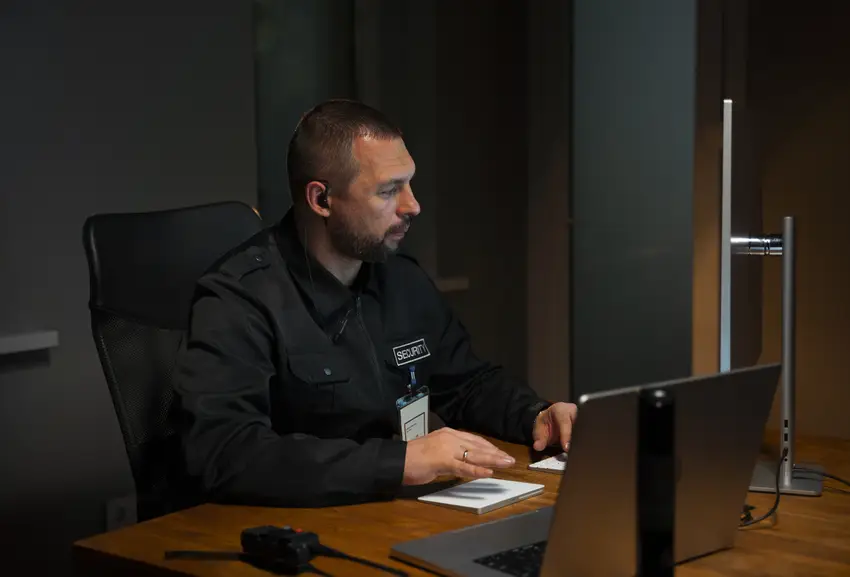
Correctional officers work in jails and prisons to keep everyone safe by supervising people who are in custody and making sure facilities run smoothly. They enforce rules, conduct security searches, inspect facilities for safety issues, and escort inmates between different locations like courtrooms or other facilities. These professionals use modern security technology like surveillance systems, electronic monitoring equipment, and communication devices to maintain order and safety. Most correctional officers complete specialized training programs and develop strong communication, problem-solving, and conflict resolution skills that are valuable in many career paths.
Correctional Officers and Jailers

Did you know?

Correctional officers in America typically enjoy stable government employment with comprehensive health insurance, retirement plans, and job security even during economic downturns.

At a Glance

Median Wage

$58,094.40 Avg/yr

Growth

Stable

Top Skill

Quality Control Analysis

Key Responsibilities

  • Conduct head counts to ensure that each prisoner is present.
  • Provide to supervisors oral and written reports of the quality and quantity of work performed by inmates, inmate disturbances and rule violations, and unusual occurrences.
  • Settle disputes between inmates.
  • Use nondisciplinary tools and equipment, such as a computer.
  • Investigate crimes that have occurred within an institution, or assist police in their investigations of crimes and inmates.
  • Assign duties to inmates, providing instructions as needed.
  • Monitor conduct of prisoners in housing unit, or during work or recreational activities, according to established policies, regulations, and procedures, to prevent escape or violence.
  • Inspect mail for the presence of contraband.
  • Participate in required job training.
  • Maintain records of prisoners' identification and charges.
  • Take prisoners into custody and escort to locations within and outside of facility, such as visiting room, courtroom, or airport.
  • Sponsor inmate recreational activities, such as newspapers and self-help groups.
  • Counsel inmates and respond to legitimate questions, concerns, and requests.
  • Serve meals, distribute commissary items, and dispense prescribed medication to prisoners.
  • Process or book convicted individuals into prison.
  • Take fingerprints of arrestees, prisoners, or the general public.
  • Inspect conditions of locks, window bars, grills, doors, and gates at correctional facilities to ensure security and help prevent escapes.
  • Drive passenger vehicles and trucks used to transport inmates to other institutions, courtrooms, hospitals, and work sites.
  • Guard facility entrances to screen visitors.
  • Arrange daily schedules for prisoners, including library visits, work assignments, family visits, and counseling appointments.
  • Supervise and coordinate work of other correctional service officers.
  • Search prisoners and vehicles and conduct shakedowns of cells for valuables and contraband, such as weapons or drugs.
  • Record information, such as prisoner identification, charges, and incidents of inmate disturbance, keeping daily logs of prisoner activities.
  • Use weapons, handcuffs, and physical force to maintain discipline and order among prisoners.
  • Issue clothing, tools, and other authorized items to inmates.
  • Conduct fire, safety, and sanitation inspections.
  • Search for and recapture escapees.

Career Considerations

Job Security and Benefits

Correctional officers in America typically enjoy stable government employment with comprehensive health insurance, retirement plans, and job security even during economic downturns.

Physical and Mental Demands

The role requires excellent physical fitness and mental resilience to handle potentially dangerous situations, high-stress environments, and exposure to violence or traumatic incidents.

Career Advancement Opportunities

Officers can advance to supervisory positions, specialized units like SWAT teams, or transition to related fields such as probation, parole, or federal law enforcement agencies.

Want to dig deeper?

Talk to blinky to learn more.

Start chatting
BETA
New York

25 Kent Ave, Suite 401
Brooklyn, NY
11249


North Carolina

204 N Person
Street. Raleigh, NC
27601

Australia

Level 4/80
Wentworth Ave,
Surry Hills,
Sydney, 2010