
Costume Attendants

Overview

Costume attendants are the behind-the-scenes heroes who make sure actors look perfect on stage and screen. They select, fit, and maintain all the costumes, helping with quick costume changes during performances and keeping detailed records using digital systems and apps. This job combines creativity with organization skills, and you can work in theaters, film studios, or TV productions. Many costume attendants start with fashion design, theater arts, or even business courses, and often work in collaborative, fast-paced environments where teamwork is essential.
Costume Attendants

Did you know?

Costume attendants often work long, irregular hours during productions and must be prepared for physically demanding tasks like lifting heavy costumes and working in cramped backstage areas.

At a Glance

Median Wage

$47,586.33 Avg/yr

Growth

Fast Growing

Top Skill

Active Learning

Key Responsibilities

  • Distribute costumes or related equipment and keep records of item status.
  • Create worksheets for dressing lists, show notes, or costume checks.
  • Provide dressing assistance to cast members or assign cast dressers to assist specific cast members with costume changes.
  • Return borrowed or rented items when productions are complete and return other items to storage.
  • Clean and press costumes before and after performances and perform any minor repairs.
  • Provide managers with budget recommendations and take responsibility for budgetary line items related to costumes, storage, or makeup needs.
  • Purchase, rent, or requisition costumes or other wardrobe necessities.
  • Monitor, maintain, or secure inventories of costumes, wigs, or makeup, providing keys or access to assigned directors, costume designers, or wardrobe mistresses/masters.
  • Arrange costumes in order of use to facilitate quick-change procedures for performances.
  • Participate in the hiring, training, scheduling, or supervision of alteration workers.
  • Assign lockers to employees and maintain locker rooms, dressing rooms, wig rooms, or costume storage or laundry areas.
  • Review scripts or other production information to determine a story's locale or period, as well as the number of characters and required costumes.
  • Collaborate with production designers, costume designers, or other production staff to discuss and execute costume design details.
  • Design or construct costumes or send them to tailors for construction, major repairs, or alterations.
  • Study books, pictures, or examples of period clothing to determine styles worn during specific periods in history.
  • Inventory stock to determine types or conditions of available costuming.
  • Check the appearance of costumes on stage or under lights to determine whether desired effects are being achieved.
  • Recommend vendors and monitor their work.
  • Direct the work of wardrobe crews during dress rehearsals or performances.
  • Care for non-clothing items, such as flags, table skirts, or draperies.
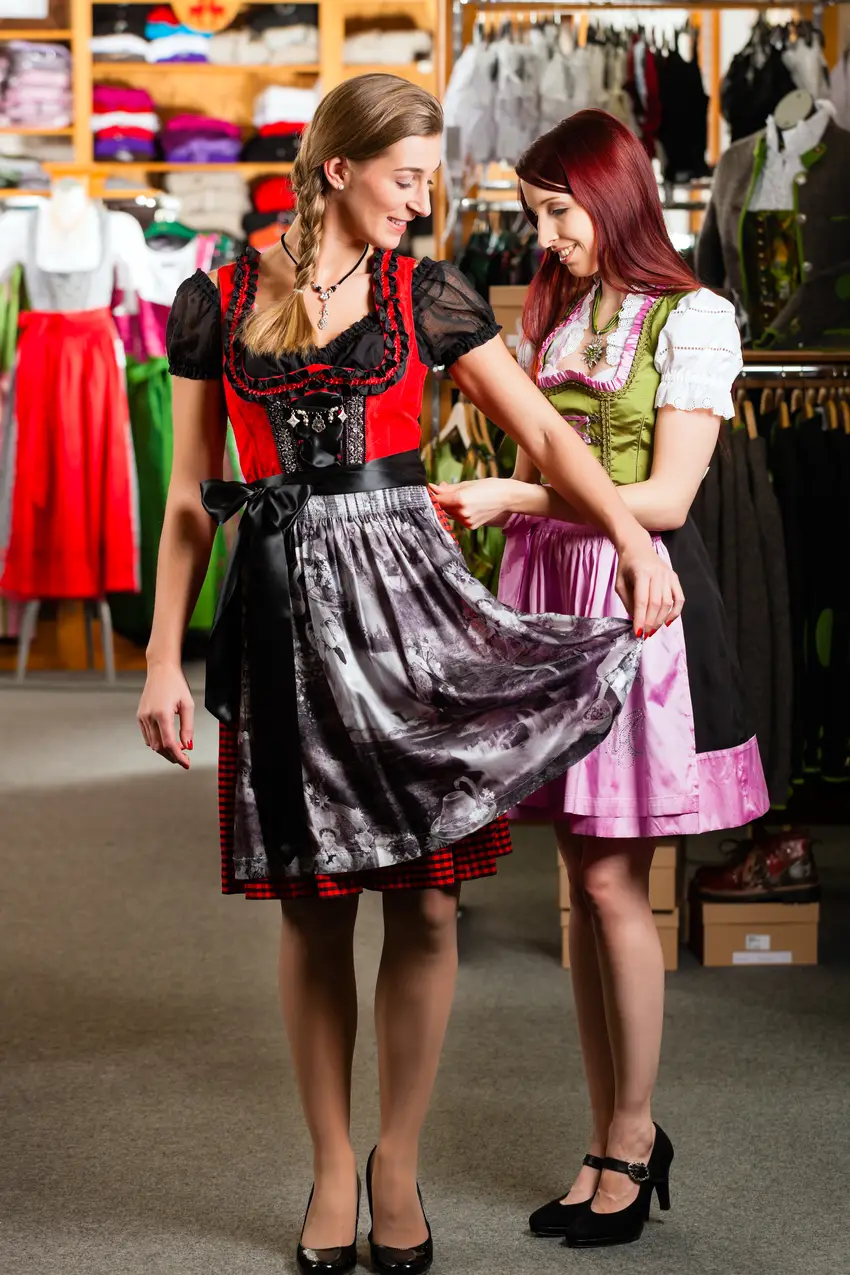
  • Examine costume fit on cast members and sketch or write notes for alterations.

Career Considerations

Physical Demands and Irregular Hours

Costume attendants often work long, irregular hours during productions and must be prepared for physically demanding tasks like lifting heavy costumes and working in cramped backstage areas.

Geographic Concentration

Most opportunities are concentrated in major entertainment hubs like Los Angeles, New York City, and Atlanta, requiring relocation or willingness to travel for work.

Networking and Relationship Building

Success in this field heavily depends on building strong professional relationships within the entertainment industry, as many positions are filled through personal connections and referrals.

Want to dig deeper?

Talk to blinky to learn more.

Start chatting
BETA
New York

25 Kent Ave, Suite 401
Brooklyn, NY
11249


North Carolina

204 N Person
Street. Raleigh, NC
27601

Australia

Level 4/80
Wentworth Ave,
Surry Hills,
Sydney, 2010