Critical Care Nurses
Overview
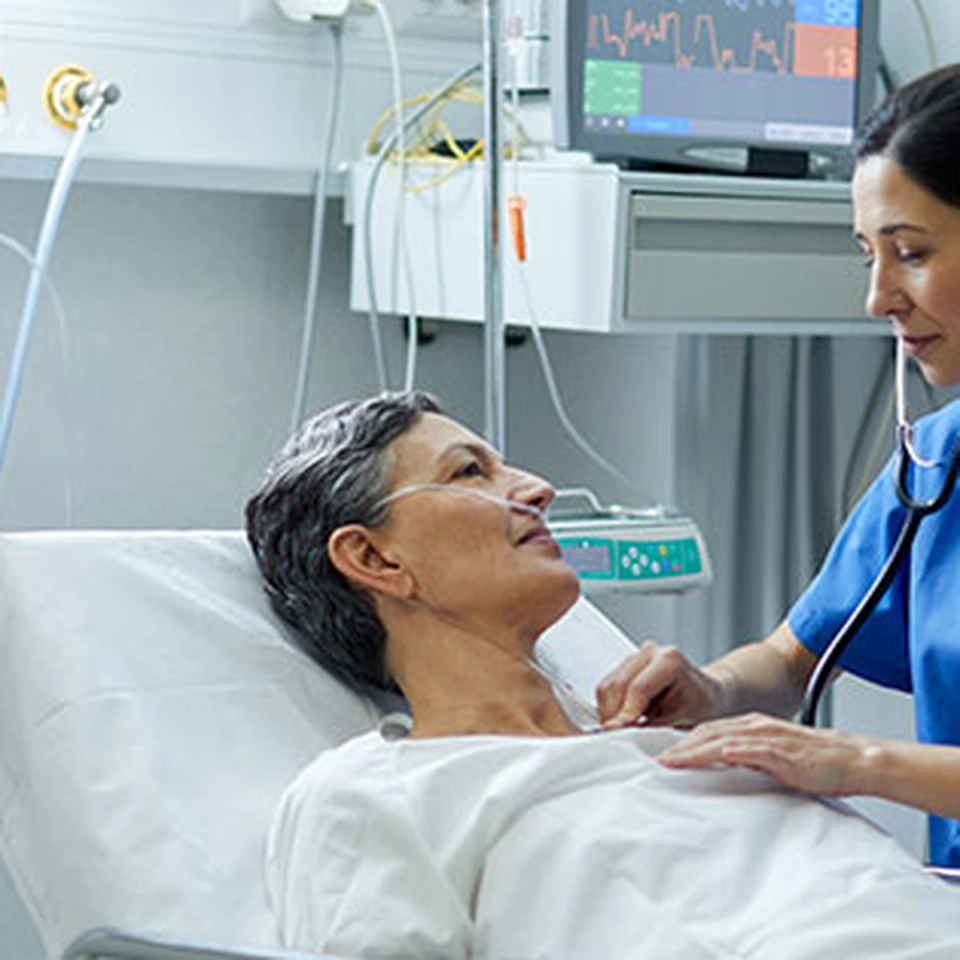
Critical Care Nurses take care of the sickest patients in hospital units such as the ICU (intensive care unit) and coronary care unit. They closely track vital signs, lab results, pain levels, and breathing patterns using tools like cardiac monitors, mechanical ventilators, and IV pumps, and they react quickly if a patient starts to show signs of problems like sepsis or shock. They also lead care planning with doctors and other health professionals, help train newer nurses, and support patients’ families by explaining complex treatments and tough medical decisions.
Did you know?
Obtaining CCRN (Critical Care Registered Nurse) certification is highly valued by American employers and often required for advancement in critical care settings.
At a Glance
Growth
Stable
Top Skill
Operation and Control
Key Responsibilities
- Plan, provide, or evaluate educational programs for nursing staff, interdisciplinary health care team members, or community members.
- Assess patients' pain levels or sedation requirements.
- Collect specimens for laboratory tests.
- Document patients' medical histories and assessment findings.
- Assess family adaptation levels and coping skills to determine whether intervention is needed.
- Supervise and monitor unit nursing staff.
- Coordinate patient care conferences.
- Conduct pulmonary assessments to identify abnormal respiratory patterns or breathing sounds that indicate problems.
- Assess patients' psychosocial status and needs, including areas such as sleep patterns, anxiety, grief, anger, and support systems.
- Administer medications intravenously, by injection, orally, through gastric tubes, or by other methods.
- Administer blood and blood products, monitoring patients for signs and symptoms related to transfusion reactions.
- Ensure that equipment or devices are properly stored after use.
- Advocate for patients' and families' needs, or provide emotional support for patients and their families.
- Provide post-mortem care.
- Monitor patients for changes in status and indications of conditions such as sepsis or shock and institute appropriate interventions.
- Monitor patients' fluid intake and output to detect emerging problems, such as fluid and electrolyte imbalances.
- Evaluate patients' vital signs or laboratory data to determine emergency intervention needs.
- Compile and analyze data obtained from monitoring or diagnostic tests.
- Assist physicians with procedures such as bronchoscopy, endoscopy, endotracheal intubation, or elective cardioversion.
- Prioritize nursing care for assigned critically ill patients, based on assessment data or identified needs.
- Identify patients at risk of complications due to nutritional status.
- Document patients' treatment plans, interventions, outcomes, or plan revisions.
- Participate in the development, review, or evaluation of nursing practice protocols.
- Collaborate with other health care professionals to develop and revise treatment plans, based on identified needs and assessment data.
- Participate in professional organizations and continuing education to improve practice knowledge and skills.
- Identify patients' age-specific needs and alter care plans as necessary to meet those needs.
- Identify malfunctioning equipment or devices.
- Perform approved therapeutic or diagnostic procedures, based upon patients' clinical status.
- Set up and monitor medical equipment and devices such as cardiac monitors, mechanical ventilators and alarms, oxygen delivery devices, transducers, or pressure lines.
Career Considerations
Certification Requirements
Obtaining CCRN (Critical Care Registered Nurse) certification is highly valued by American employers and often required for advancement in critical care settings.
High Stress and Burnout Risk
Critical care nursing in the US involves intense emotional and physical demands that can lead to burnout, requiring strong coping strategies and work-life balance.
Strong Job Market Demand
The aging American population and increasing prevalence of chronic diseases create excellent job security and competitive salaries for critical care nurses.