Curators
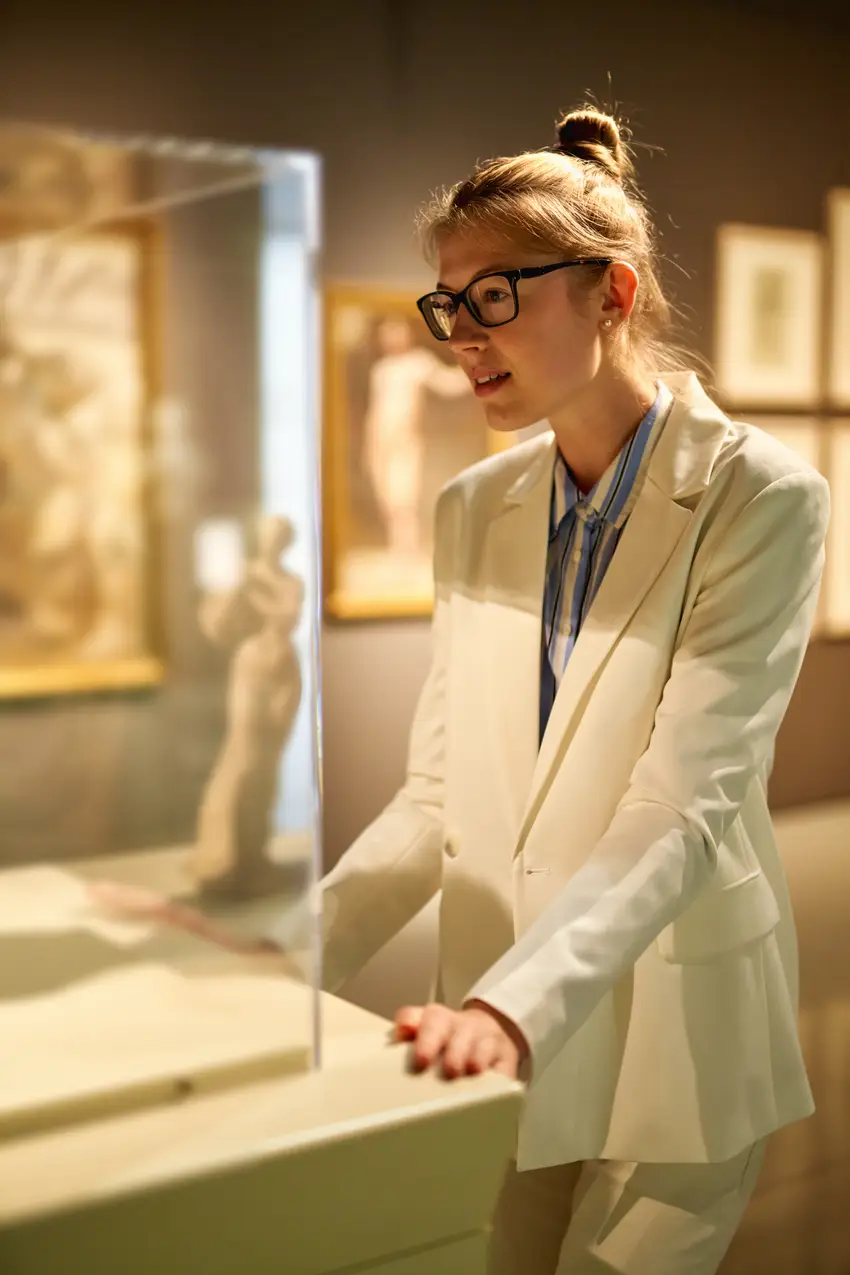
Curators are like treasure hunters and storytellers rolled into one, managing collections of artwork, historical artifacts, and cultural objects in museums, galleries, and cultural institutions. They design exciting exhibits, conduct tours and workshops for visitors, and use modern technology like digital databases and 3D scanning to preserve and showcase collections. This career combines research skills, creativity, and public speaking, often requiring a degree in art history, museum studies, or a related field. Curators work collaboratively with artists, historians, and education teams to bring history and culture to life for the public.
Did you know?
Most curator positions in American museums require a Master's degree or PhD in art history, museum studies, or a specialized field relevant to the collection.
At a glance
Typical average pay
$60,000 Avg/yr
Growth
Fast growing
Top skill
Speaking
Things to consider
Highly Competitive Job Market
The museum curator field in the US has limited openings with many qualified candidates competing for each position, making networking and internships crucial.
Grant Writing and Fundraising Skills
American museums increasingly rely on external funding, making the ability to write grants and assist with fundraising efforts a valuable skill for curators.
Key responsibilities
Study, examine, and test acquisitions to authenticate their origin, composition, history, and to assess their current value.
Attend meetings, conventions, and civic events to promote use of institution's services, to seek financing, and to maintain community alliances.
Develop and maintain an institution's registration, cataloging, and basic record-keeping systems, using computer databases.
Plan and conduct special research projects in area of interest or expertise.
Design, organize, or conduct tours, workshops, and instructional or educational sessions to acquaint individuals with an institution's facilities and materials.