
Cytogenetic Technologists in Medical Laboratories

Overview

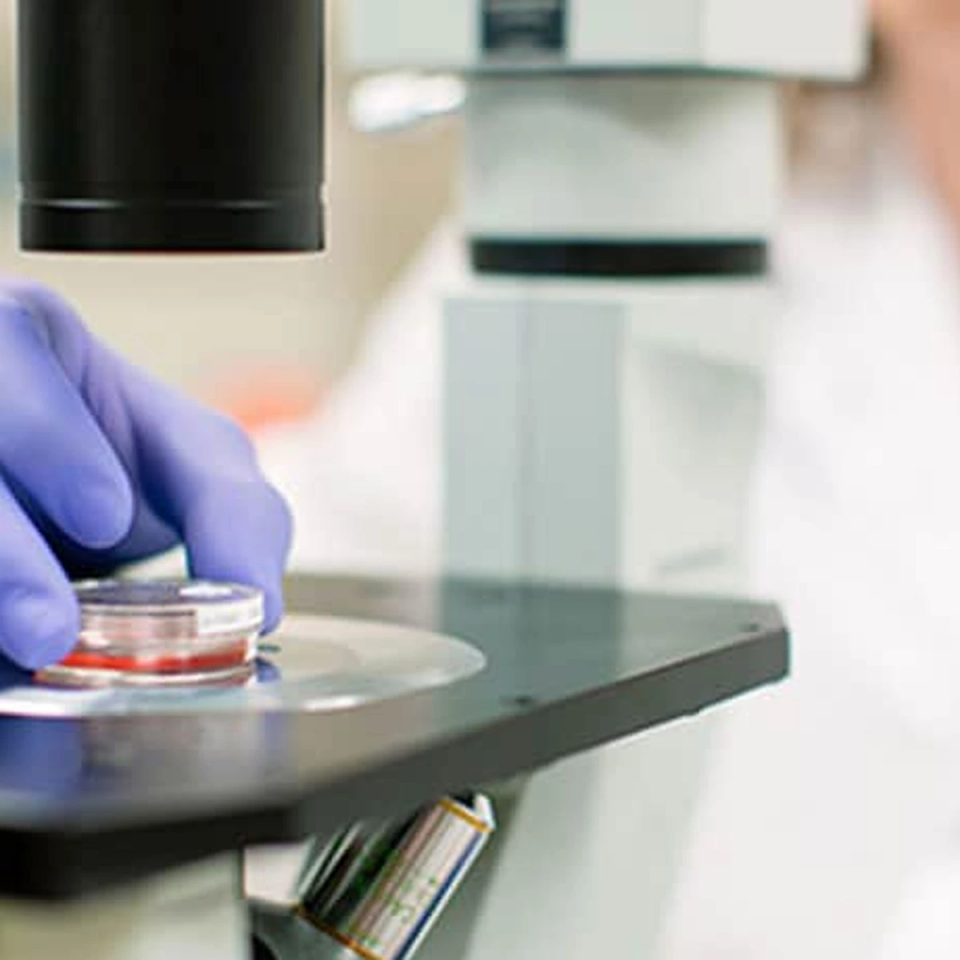
Cytogenetic technologists study human chromosomes in samples like blood, bone marrow, tumors, and amniotic fluid to help doctors diagnose genetic conditions, fertility problems, and certain cancers. They grow cells in special media, stain and prepare slides, and then use advanced microscopes and computer imaging systems to count chromosomes, spot missing or extra pieces, and create detailed karyotype charts. They also choose the right testing methods, such as FISH (fluorescent in situ hybridization) or aCGH (array comparative genomic hybridization), document results using international genetic naming systems, and often help train new lab staff and students in careful, high-quality lab practices.
Cytogenetic Technologists in Medical Laboratories

Did you know?

Most employers in the US require certification from ASCP or similar organizations, along with specialized training in cytogenetics beyond a bachelor's degree in biology or related field.

At a Glance

Growth

Stable

Top Skill

Active Listening

Key Responsibilities

  • Communicate to responsible parties unacceptable specimens and suggest remediation for future submissions.
  • Extract, measure, dilute as appropriate, label, and prepare DNA for array analysis.
  • Identify appropriate methods of specimen collection, preservation, or transport.
  • Stain slides to make chromosomes visible for microscopy.
  • Select appropriate methods of preparation and storage of media to maintain potential of hydrogen (pH), sterility, or ability to support growth.
  • Evaluate appropriateness of received specimens for requested tests.
  • Examine chromosomes found in biological specimens to detect abnormalities.
  • Create chromosome images using computer imaging systems.
  • Recognize and report abnormalities in the color, size, shape, composition, or pattern of cells.
  • Prepare biological specimens such as amniotic fluids, bone marrow, tumors, chorionic villi, and blood, for chromosome examinations.
  • Count numbers of chromosomes and identify the structural abnormalities by viewing culture slides through microscopes, light microscopes, or photomicroscopes.
  • Communicate test results or technical information to patients, physicians, family members, or researchers.
  • Maintain laboratory equipment such as photomicroscopes, inverted microscopes, and standard darkroom equipment.
  • Prepare slides of cell cultures following standard procedures.
  • Select or prepare specimens and media for cell cultures using aseptic techniques, knowledge of medium components, or cell nutritional requirements.
  • Archive case documentation and study materials as required by regulations and laws.
  • Develop, implement, and monitor quality control and quality assurance programs to ensure accurate and precise test performance and reports.
  • Input details of specimen processing, analysis, and technical issues into logs or laboratory information systems (LIS).
  • Apply prepared specimen and control to appropriate grid, run instrumentation, and produce analyzable results.
  • Select appropriate culturing system or procedure based on specimen type and reason for referral.
  • Supervise subordinate laboratory staff.
  • Analyze chromosomes found in biological specimens to aid diagnoses and treatments for genetic diseases such as congenital disabilities, fertility problems, and hematological disorders.
  • Harvest cell cultures using substances such as mitotic arrestants, cell releasing agents, and cell fixatives.
  • Summarize test results and report to appropriate authorities.
  • Arrange and attach chromosomes in numbered pairs on karyotype charts, using standard genetics laboratory practices and nomenclature, to identify normal or abnormal chromosomes.
  • Develop and implement training programs for trainees, medical students, resident physicians or post-doctoral fellows.
  • Select banding methods to permit identification of chromosome pairs.
  • Input details of specimens into logs or computer systems.
  • Determine optimal time sequences and methods for manual or robotic cell harvests.
  • Describe chromosome, FISH and aCGH analysis results in International System of Cytogenetic Nomenclature (ISCN) language.

Career Considerations

Certification and Education Requirements

Most employers in the US require certification from ASCP or similar organizations, along with specialized training in cytogenetics beyond a bachelor's degree in biology or related field.

Growing Job Market Demand

The field shows steady growth due to increased genetic testing needs, personalized medicine expansion, and rising demand for prenatal and cancer diagnostics.

Laboratory-Based Work Environment

Work is primarily conducted in clinical laboratory settings with opportunities for specialization in areas like prenatal genetics, oncology cytogenetics, or molecular diagnostics.

Want to dig deeper?

Talk to blinky to learn more.

Start chatting
BETA
New York

25 Kent Ave, Suite 401
Brooklyn, NY
11249


North Carolina

204 N Person
Street. Raleigh, NC
27601

Australia

Level 4/80
Wentworth Ave,
Surry Hills,
Sydney, 2010